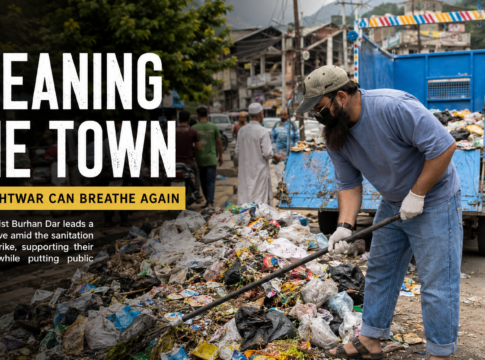
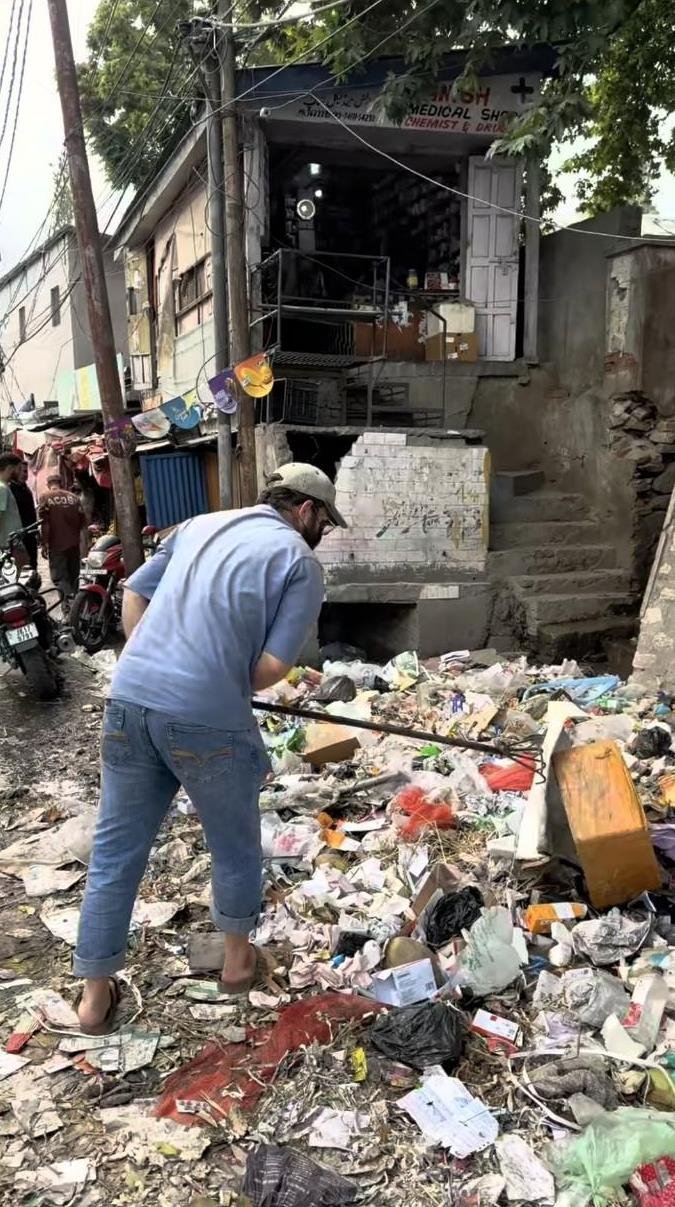
KISHTWAR — On a narrow street lined with shops and tangled overhead wires, a heap of rotting garbage had become an unwanted landmark.
Plastic bags, discarded packaging, food waste and mud lay scattered along the roadside. Residents walked around it for days. Shopkeepers complained. Passersby shook their heads. Everyone knew why it was there.
Sanitation workers across parts of Jammu and Kashmir had been on strike, demanding the regularization of services and the resolution of long-pending employment grievances. As the strike stretched on, garbage accumulated in towns across the region, including Kishtwar, Doda and Thathri. Reports from Doda showed sanitation services severely disrupted after workers launched a work boycott in late May.
Then, in Kishtwar, a man carrying a metal rake stepped into the garbage.
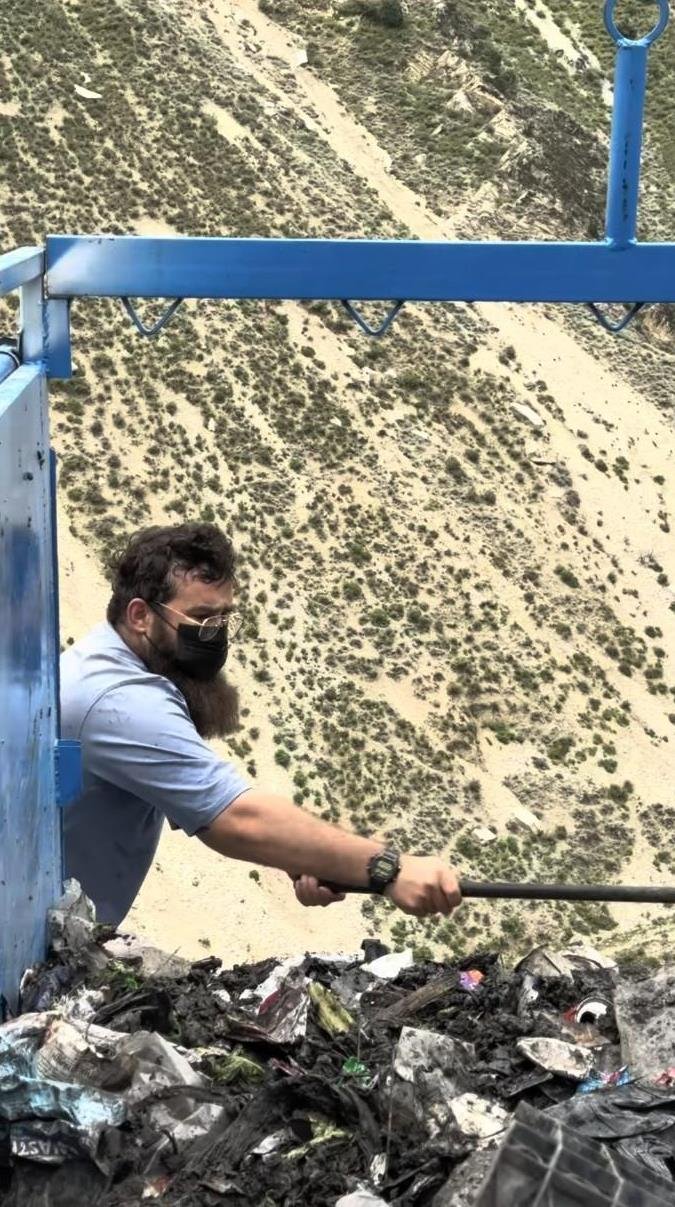
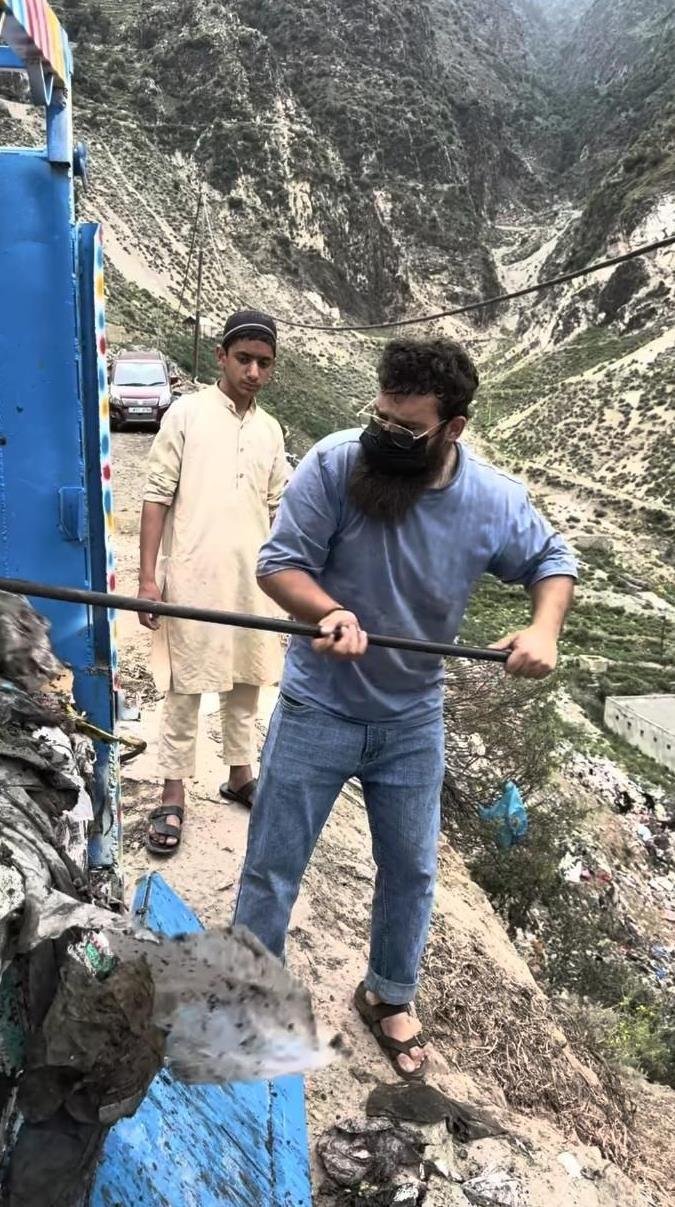
Videos circulating widely on social media show social activist Burhan Dar loading waste onto a vehicle, clearing roadside dumps and transporting garbage for disposal. Wearing a mask and gloves, he worked alongside volunteers in scenes that quickly spread across local social media platforms.
The videos have generated widespread reactions, with many residents praising the effort as an example of civic responsibility during a public crisis. Others have used the moment to raise uncomfortable questions about governance, political leadership and accountability.
What began as a cleanup drive has evolved into something larger: a public conversation about who bears responsibility when essential civic services fail.
“We Support the Workers”
Dar insists that his cleanup effort is not a protest against sanitation workers. In a conversation with The Chenab Times, he said the workers’ demands were legitimate and deserved attention.
“We are with the sanitation workers,” Dar said. “Their demands are genuine.”
But, he added, the town could not afford to wait indefinitely while garbage continued to accumulate.
“We cannot sit and wait for diseases to spread among the public.”— Burhan Dar, Social Activist, Kishtwar
The statement reflects a delicate balance. Across Jammu and Kashmir, sanitation workers have argued that they have spent years working under uncertain conditions while seeking regularization and job security. Their strike has drawn attention to long-standing labour concerns while simultaneously creating visible consequences for residents who depend on municipal services.
Dar’s position attempts to separate support for the workers from concern about the public health consequences of the strike. In other words, he argues that residents should not have to choose between labour rights and clean streets.
Background
Sanitation workers in Jammu & Kashmir have been demanding regularization of services and resolution of long-pending employment grievances. The strike, which began in late May 2026, disrupted waste collection in multiple districts including Kishtwar, Doda and Thathri — leaving residents to navigate growing mounds of uncollected waste during peak summer months.
A Town Growing Frustrated
The garbage problem has become difficult to ignore. Across parts of Kishtwar, residents report seeing waste accumulate in marketplaces, residential neighbourhoods and roadside collection points.
While municipal disputes and worker strikes are not uncommon in India, the visual impact of garbage piling up in public spaces often transforms an administrative issue into a political one. Rotting waste is impossible to hide. It becomes a daily reminder of institutional paralysis.
Residents who spoke to The Chenab Times described growing frustration not only with the sanitation crisis but also with what they perceive as an inadequate response from authorities. Some expressed concern about sanitation-related illnesses, especially during the summer months, when waste can attract stray animals, insects and disease-carrying pests.
The Political Question
The most striking aspect of Dar’s cleanup campaign may not be the garbage itself. It is the reaction it has generated.
Under videos of the cleanup effort, social media users have flooded comment sections with praise. Many have described Dar as a committed public servant despite holding no elected office. Others have gone further — some commenters referring to him as a potential future MLA, others tagging sitting and former political leaders while asking why elected representatives were not leading similar efforts.
Whether such sentiments translate into political support remains uncertain. Social media enthusiasm is not the same as electoral success. But the comments reveal a broader public mood.
For many residents, the sight of a volunteer physically clearing garbage has become a symbol of something larger than sanitation. It has become a measure against which political leadership is being evaluated.
The comparison may not be entirely fair. Municipal administration involves institutions, budgets and government departments rather than individual politicians alone. Yet politics often operates through symbolism. And symbolism matters. A video of a citizen lifting garbage can sometimes communicate more powerfully than a press conference.
“Our MLAs are busy with politics and the public is suffering.”— Burhan Dar
The remark has resonated widely online. In Kishtwar, where political competition remains intense and public expectations of elected representatives are high, the statement touches on a recurring complaint among residents: politicians are often highly visible during elections but far less visible during civic emergencies.
The criticism also reflects a broader shift occurring across many parts of India. Citizens increasingly document local problems through social media and judge government performance through visible action rather than official statements. A volunteer with a garbage rake can become a political message.
The Rise of Civic Activism
The cleanup effort has highlighted another trend: the growing role of citizen-led activism in addressing local problems. Across India, volunteers and community groups frequently step in when institutions struggle to respond quickly enough to crises — sometimes in disaster relief, sometimes in healthcare, and sometimes, as in Kishtwar, in something as basic as collecting garbage.
The value of such efforts lies not only in the immediate work performed but also in their ability to draw attention to underlying problems. By cleaning waste from public spaces, Dar and his volunteers are doing more than removing garbage. They are forcing a conversation about why the garbage accumulated in the first place.
Beyond the Broom
The images emerging from Kishtwar are striking. In one video, Dar stands atop a vehicle loaded with waste. In another, he works beside a roadside dump, pulling trash into piles for collection. In yet another, he helps transport garbage through town streets.
The scenes are simple. But their significance lies in their timing. The cleanup is occurring at a moment when residents are simultaneously debating labour rights, municipal governance, public health and political accountability. That combination has transformed what might otherwise have been a routine volunteer effort into a widely discussed public event.
For supporters, Dar represents civic responsibility. For critics of local governance, he represents an uncomfortable contrast. For sanitation workers, he says he remains an ally. And for many ordinary residents, he represents something increasingly rare in public life: visible action.
An Uncertain Future
Whether the sanitation strike ends tomorrow or continues for weeks, the images from Kishtwar are likely to remain part of the public memory surrounding this episode. The garbage will eventually be removed. The labour dispute will eventually be resolved. But the questions raised by the crisis may endure much longer.
Who should act when institutions fail? How should governments respond when essential services stop functioning? Can citizens fill the gap without undermining legitimate worker protests? And what does it say about public expectations when a volunteer cleaning garbage becomes one of the most talked-about figures in town?
For now, those questions remain unanswered. On the streets of Kishtwar, however, one reality is clear: while officials, workers and politicians continue debating solutions, a citizen with a rake has already entered the conversation.
❤️ Support Independent Journalism
Your contribution keeps our reporting free, fearless, and accessible to everyone.
Or make a one-time donation
Secure via Razorpay • 12 monthly payments • Cancel anytime before next cycle


(We don't allow anyone to copy content. For Copyright or Use of Content related questions, visit here.)
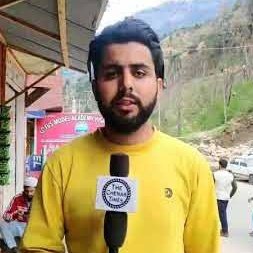
Anzer Ayoob is the Founder and Chief Editor to The Chenab Times