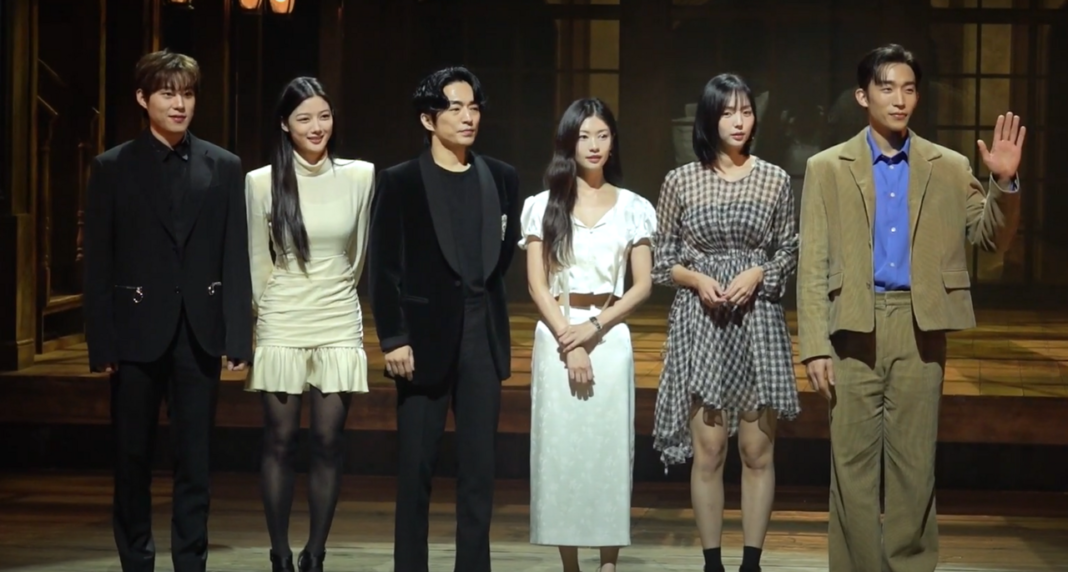
Small, agile companies built around artificial intelligence can effectively create original intellectual property, while established studios will continue to capitalize on their existing advantages in franchises, production infrastructure, talent, and distribution networks. This dual approach to content creation offers distinct pathways for innovation and market dominance in the evolving entertainment landscape.
The Chenab Times has learned that veteran visual effects producer and director Hong Jae Cheol, who previously worked at Industrial Light & Magic and contributed to films such as “Iron Man,” articulated this perspective, suggesting that AI-native studios are uniquely positioned to develop fresh intellectual property from the ground up. Their operational advantage lies in automated pipelines that can streamline the creative and production processes, allowing for rapid iteration and the exploration of novel concepts without the encumbrances of legacy systems or existing franchise obligations.
Conversely, traditional studios possess significant capital, extensive physical production resources, established relationships with top-tier talent, and robust distribution channels. These assets are invaluable for maximizing the potential of established intellectual property, such as well-loved movie franchises or popular television series. The argument posits that these studios can enhance their existing franchises through new installments, spin-offs, or reboots, leveraging their deep understanding of audience engagement and market demand.
Hong Jae Cheol, who is currently a producer-director at Viscode, a company that develops AI-driven content production solutions, highlighted the symbiotic potential of these two models. The emergence of AI allows for the democratization of IP creation, enabling smaller entities to compete on originality. Meanwhile, the inherent strengths of major studios ensure that valuable existing IP continues to be exploited and expanded, providing a steady stream of content for global audiences.
The discussion, which took place in the context of the Busan International Film Festival, also touched upon the broader implications of AI in filmmaking. While AI-native studios can focus on generating novel ideas, traditional studios can integrate AI into their workflows to enhance efficiency and potentially unlock new creative possibilities within their existing frameworks. The emphasis is on a collaborative or at least coexistent future, rather than a direct competition where one model supplants the other.
❤️ Support Independent Journalism
Your contribution keeps our reporting free, fearless, and accessible to everyone.
Or make a one-time donation
Secure via Razorpay • 12 monthly payments • Cancel anytime before next cycle


(We don't allow anyone to copy content. For Copyright or Use of Content related questions, visit here.)

The Chenab Times News Desk