Pyongyang has voiced support for Iran’s appointment of Mojtaba Khamenei as supreme leader while denouncing recent military actions by the United States and Israel against the Islamic Republic.
The Democratic People’s Republic of Korea (DPRK) has expressed respect for Iran’s selection of Mojtaba Khamenei as its new supreme leader following the death of his father, Ayatollah Ali Khamenei, and strongly condemned what it described as unlawful aggression by the United States and Israel. According to details received by The Chenab Times, North Korea’s Foreign Ministry issued a statement highlighting concerns over escalating regional instability amid ongoing hostilities that began in late February.
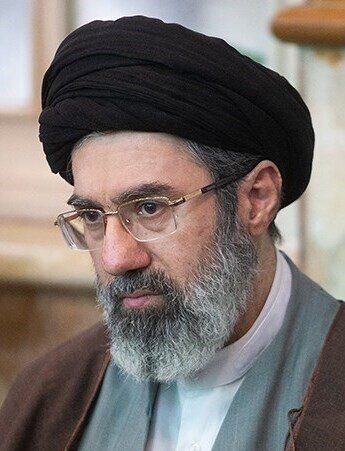
The core development centers on North Korea’s diplomatic messaging amid the intensifying conflict between Iran, the United States, and Israel. On February 28, 2026, joint US-Israeli strikes targeted high-level Iranian officials and military sites, resulting in the death of Ayatollah Ali Khamenei, who had served as Iran’s supreme leader since 1989. The attacks marked the onset of a broader military campaign aimed at disrupting Iran’s leadership, nuclear and missile programs, and defensive capabilities. Iran’s Assembly of Experts subsequently elected Mojtaba Khamenei, the late leader’s son and a long-time clerical figure, as his successor on March 8, 2026. The new supreme leader, aged 56, has remained largely out of public view, with reports indicating he sustained leg injuries during the initial strikes, though details remain limited.
Information was available with The Chenab Times from North Korea’s state-run Korean Central News Agency (KCNA), which quoted an unnamed Foreign Ministry spokesperson. The statement affirmed Pyongyang’s respect for Iran’s internal decision-making process, declaring: “Regarding the recent official announcement that the Iranian Assembly of Experts has elected a new leader of the Islamic Revolution, we respect the right and choice of the Iranian people to elect their Supreme Leader.” It further emphasized solidarity with Tehran by criticizing external interference.
The spokesperson added: “We express grave concern and strongly condemn the aggression of the United States and Israel, which, by launching an unlawful military attack against Iran, are undermining the foundations of regional peace and security and increasing instability in the international landscape.” North Korea framed the strikes as a violation of sovereignty and international norms, warning that such actions threaten global stability. The commentary aligns with Pyongyang’s longstanding opposition to US-led military interventions and its historical ties with Iran, including cooperation in missile technology and mutual criticism of Western policies.
The US-Israeli operation has continued into its second week, with strikes targeting Iranian air defenses, ballistic missile sites, command centers, and naval assets, including minelayers near the Strait of Hormuz. Iran has responded with missile barrages, blockaded the strategic waterway—through which a significant portion of global oil passes—and issued statements vowing retaliation. A purported first message attributed to Mojtaba Khamenei, read on state television without his on-camera appearance, ordered the strait to remain closed and called for the shutdown of US bases in the Gulf region.
The conflict has raised alarms over potential wider escalation, with disruptions to energy supplies and increased military activity across the Middle East. International observers continue monitoring developments as the situation remains fluid, with no immediate signs of de-escalation from the involved parties.
❤️ Support Independent Journalism
Your contribution keeps our reporting free, fearless, and accessible to everyone.
Or make a one-time donation
Secure via Razorpay • 12 monthly payments • Cancel anytime before next cycle


(We don't allow anyone to copy content. For Copyright or Use of Content related questions, visit here.)
Global Affairs Desk at The Chenab Times covers international developments, global diplomacy, and foreign policy issues through fact-based reporting, explainers, and analytical pieces. The desk focuses on major geopolitical events, diplomatic engagements, and international trends, with an emphasis on verified information, multiple perspectives, and contextual understanding of global affairs.