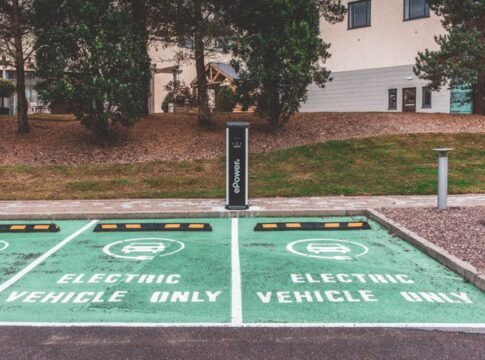
Pune, India – The planned expansion of Pune’s electric vehicle (EV) charging infrastructure has been significantly slowed, with local authorities reportedly hitting the brakes on new network development. This deceleration is attributed to a complex web of bureaucratic processes and a lack of clear coordination between various government departments and private stakeholders.
Challenges in Network Rollout
The ambition to bolster EV adoption in Pune, a city increasingly recognized for its automotive industry and growing environmental consciousness, now faces considerable headwinds. The expansion of charging stations, a critical component for facilitating wider EV usage, is encountering delays primarily due to intricate land acquisition procedures and the lengthy approval timelines mandated by municipal and state government bodies. These hurdles are not only impeding the pace of installation but also raising concerns about the long-term viability and strategic planning of public EV charging facilities.
According to details received by The Chenab Times, the process for obtaining necessary permits and clearances for setting up new charging points has become a significant bottleneck. Officials involved in urban planning and transport infrastructure have indicated that the multiplicity of agencies and departments requiring sign-off contributes to prolonged waiting periods, often stretching for months. This lack of a streamlined, single-window clearance system means that private companies and even government entities looking to invest in and deploy charging stations are facing considerable frustration and financial strain.
Land Acquisition and Grid Integration Issues
A substantial portion of the delays stems from the challenges associated with land acquisition for these charging facilities. Identifying suitable, accessible locations and securing the rights to use them for charging infrastructure development has proven to be a complex undertaking. Furthermore, integrating these new charging stations into the existing power grid requires careful planning and coordination with the local electricity distribution companies to ensure that the increased demand can be met without compromising grid stability. Technical assessments and approvals for grid connectivity add another layer of complexity and time to the deployment process.
The Pune Municipal Corporation (PMC) and other relevant authorities are reportedly reviewing the existing framework to identify areas for improvement. However, the current situation has led to a cautious approach, with many potential projects being put on hold. This pause in expansion could have a ripple effect on the city’s EV adoption targets and its broader commitment to sustainable transportation initiatives. The delay is particularly concerning given the increasing number of EVs on the roads, which necessitates a corresponding growth in charging infrastructure to prevent range anxiety among EV owners.
Impact on EV Adoption
Experts in the EV sector suggest that the slowdown in charging network expansion could deter potential buyers from switching to electric vehicles. A robust and accessible charging network is a fundamental prerequisite for building consumer confidence in EVs. If charging points remain scarce or difficult to access, the perceived inconvenience may outweigh the benefits of lower running costs and environmental advantages for many consumers. This could lead to a stagnation or even a decline in the rate of EV adoption, undermining the city’s environmental goals and its position as a leader in sustainable mobility.
The situation in Pune mirrors some of the challenges faced by other metropolitan areas in India grappling with the rapid transition to electric mobility. While the central and state governments have policies and incentives in place to promote EVs, the on-ground implementation often gets bogged down in local administrative and infrastructural complexities. Addressing these issues requires a concerted effort involving all stakeholders, including urban local bodies, power distribution companies, private charging infrastructure providers, and EV manufacturers, to create a more conducive environment for the growth of electric mobility.
❤️ Support Independent Journalism
Your contribution keeps our reporting free, fearless, and accessible to everyone.
Or make a one-time donation
Secure via Razorpay • 12 monthly payments • Cancel anytime before next cycle


(We don't allow anyone to copy content. For Copyright or Use of Content related questions, visit here.)

The Chenab Times News Desk