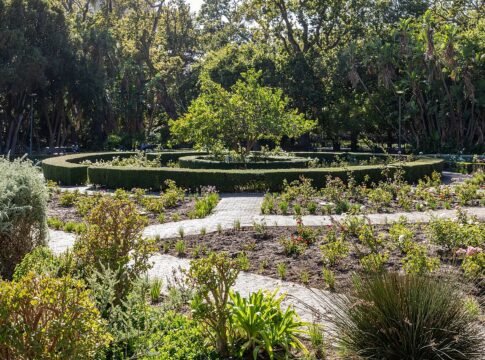
A recent exploration of three distinct green spaces in and around Cape Town, South Africa, offers a glimpse into a significant transformation occurring within the nation’s botanical community. Historically perceived as a domain primarily associated with the white population, the country’s approach to and engagement with its rich flora appears to be evolving, signaling broader societal changes.
These visits underscore a dynamic period for South African horticulture, characterized by a growing inclusivity and a reimagining of who participates in and benefits from the country’s botanical heritage. The spaces examined, ranging from public parks to more curated collections, each tell a part of this unfolding story.
The shift is not merely about aesthetics or the cultivation of plants; it is deeply intertwined with South Africa’s complex social history and its ongoing efforts toward reconciliation and equitable participation. For decades, botanical gardens and conservation efforts were often the purview of a privileged few, reflecting the country’s apartheid-era divisions. However, contemporary initiatives are actively working to dismantle these historical barriers.
One of the key indicators of this change is the increased accessibility and community involvement in these natural spaces. Efforts are being made to ensure that gardens and related educational programs are welcoming to all South Africans, irrespective of their racial or socioeconomic background. This includes developing outreach programs, community gardening projects, and ensuring that the narratives presented within these spaces reflect the diversity of the nation.
The botanical world in South Africa is renowned for its exceptional biodiversity, boasting an array of unique plant species. This natural wealth presents a powerful platform for fostering national pride and shared stewardship. As more diverse voices contribute to the conservation and appreciation of this heritage, the botanical landscape is becoming a more potent symbol of a united South Africa.
Furthermore, there is a noticeable trend towards incorporating indigenous knowledge and practices into modern horticulture. Traditional uses of plants for medicinal, culinary, and cultural purposes, often passed down through generations within various communities, are gaining recognition and finding their way into botanical research and public displays. This integration not only enriches the understanding of the flora but also validates and preserves the cultural heritage of South Africa’s diverse peoples.
The revitalisation of these green spaces also contributes to the urban environment of Cape Town. Beyond their ecological importance, gardens and parks play a crucial role in the well-being of city dwellers, providing areas for recreation, relaxation, and connection with nature. As these spaces become more inclusive, they are better positioned to serve the needs of an increasingly diverse urban population.
The international perception of South Africa’s botanical scene is also beginning to adjust. While the country has long been recognized for its natural beauty and unique flora, the narrative is now broadening to include the human element – the people who are actively shaping its future. This evolving story is attracting renewed interest from botanists, conservationists, and travelers alike, eager to witness this positive transformation firsthand.
The development observed in Cape Town’s gardens and green spaces is indicative of a wider movement across South Africa. It speaks to a conscious effort to democratize access to natural heritage and to ensure that its custodians reflect the full spectrum of South African society. This ongoing evolution promises to strengthen the nation’s connection to its natural resources and foster a more inclusive future for its botanical treasures.
❤️ Support Independent Journalism
Your contribution keeps our reporting free, fearless, and accessible to everyone.
Or make a one-time donation
Secure via Razorpay • 12 monthly payments • Cancel anytime before next cycle


(We don't allow anyone to copy content. For Copyright or Use of Content related questions, visit here.)

Global Affairs Desk at The Chenab Times covers international developments, global diplomacy, and foreign policy issues through fact-based reporting, explainers, and analytical pieces. The desk focuses on major geopolitical events, diplomatic engagements, and international trends, with an emphasis on verified information, multiple perspectives, and contextual understanding of global affairs.