SRINAGAR: Car buyers in Jammu and Kashmir are increasingly scrutinizing the long-term economic implications of their vehicle choices, particularly when considering SUV purchases. The traditional focus on initial purchase price is now being challenged by a more comprehensive evaluation of upfront costs versus ongoing running expenses, especially in the context of the emerging electric vehicle (EV) market.
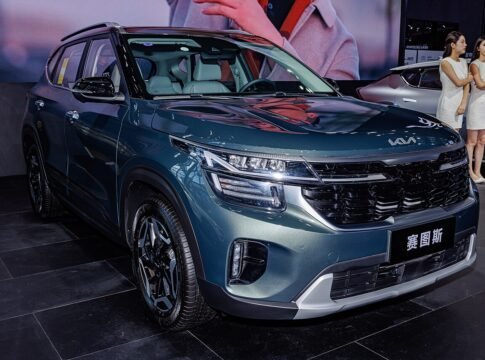
Information was available with The Chenab Times indicating a growing awareness among consumers regarding the total cost of ownership. This paradigm shift sees potential buyers comparing internal combustion engine (ICE) vehicles, such as the Kia Seltos, against electric alternatives like the Mahindra XUV 9e, factoring in the evolving landscape of fuel prices, maintenance, and charging infrastructure.
Evaluating Initial Investment
The upfront cost remains a primary consideration for many car buyers. ICE SUVs typically present a lower initial purchase price, offering a wider array of variants across various budget points and often easier financing options. Models like the Kia Seltos exemplify this, providing diverse engine and trim configurations to cater to different financial capacities.
Conversely, electric SUVs generally command a higher upfront price. This is largely attributed to the significant cost of battery technology, advanced electronic systems, and currently, less mature economies of scale in production. This initial price disparity can be a deterrent for some prospective EV buyers.
The Economics of Running Costs
A closer examination of running costs reveals a different economic picture. ICE vehicles incur consistent expenses related to fuel (petrol or diesel), regular servicing, and maintenance due to engine wear and tear. Over the lifespan of the vehicle, these costs can accumulate substantially.
EVs, however, present a compelling advantage in their operating expenses. Electricity is generally more economical per kilometre than fossil fuels. Furthermore, EVs possess fewer moving parts, leading to reduced maintenance requirements and eliminating the need for engine oil changes or complex transmission upkeep. For drivers with high annual mileage, these savings can be significant over time.
Long-Term Value and Usage Patterns
The long-term value proposition often shifts in favour of EVs. While an ICE SUV might be cheaper to buy initially, its monthly expenses related to fuel and maintenance can be higher. An EV SUV, despite its higher initial price, can lead to lower daily operating costs. Over a period of four to six years, depending on driving habits, the total cost of ownership for an EV can become more favourable.
Usage patterns play a critical role in this calculation. Buyers who undertake long daily commutes or frequent city driving are more likely to realize substantial savings with EVs. For instance, the Mahindra XUV 9e, with its substantial range, is well-suited for regular urban and intercity use. Conversely, individuals with low annual mileage or infrequent usage may not fully benefit from the cost advantages offered by electric vehicles.
Fuel Prices vs. Charging Economics
The volatility of fuel prices is a significant factor for ICE vehicle owners, with costs tending to rise over time. Electricity prices, while subject to fluctuations, have historically been more stable and cost-effective on a per-kilometre basis. The convenience and potential cost savings of home charging further enhance the economic appeal of EVs for owners.
However, the cost of public fast charging can sometimes offset these benefits, depending on the frequency of its use. This adds another layer of consideration for EV buyers when assessing their overall expenditure.
Maintenance Simplicity and Ownership Considerations
Maintenance is another area where EVs offer a simplified and potentially more economical ownership experience. ICE vehicles require periodic engine servicing, oil changes, and transmission maintenance. The electric architecture of EVs, with its reduced number of mechanical components, significantly simplifies these requirements.
Beyond the direct running costs, buyers must also consider other factors. For ICE vehicles, these include the increasing cost of fuel, evolving environmental regulations, and potential future restrictions. For EVs, considerations include the cost of installing a home charging setup, long-term battery replacement concerns, and reliance on available charging infrastructure.
Resale Value and Market Perception
Resale value is an evolving aspect of the ICE vs. EV debate. ICE vehicles benefit from established resale markets and predictable depreciation patterns. The resale market for EVs is still developing, though an increasing demand is anticipated to stabilize their depreciation trends in the future. As EV adoption grows, their resale values are expected to become more predictable.
Ultimately, the decision between an ICE SUV and an EV SUV in Jammu and Kashmir hinges on individual priorities. ICE vehicles offer immediate affordability and familiarity, while EVs promise lower running costs and long-term financial savings. Consumers are increasingly being asked to decide whether their priority lies in saving money upfront or over the extended period of vehicle ownership.
Digital platforms are playing an increasingly important role in aiding these complex decisions. Online resources assist buyers in comparing total ownership costs, understanding usage-based benefits, and evaluating real-world scenarios, enabling more informed choices that extend beyond the initial price tag.
❤️ Support Independent Journalism
Your contribution keeps our reporting free, fearless, and accessible to everyone.
Or make a one-time donation
Secure via Razorpay • 12 monthly payments • Cancel anytime before next cycle


(We don't allow anyone to copy content. For Copyright or Use of Content related questions, visit here.)

The Chenab Times News Desk