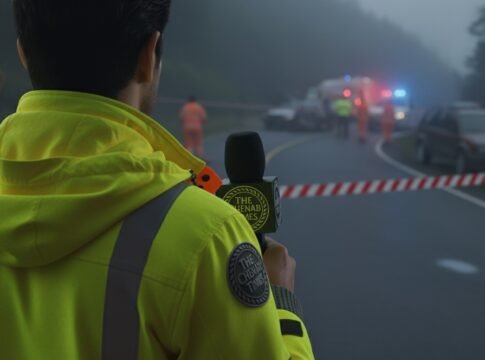
Mumbai, formerly Bombay, observes Fire Safety Week annually in April to commemorate the devastating 1944 explosion aboard the SS Fort Stikine. The disaster, which claimed hundreds of lives and caused immense destruction, serves as a stark reminder of the critical importance of fire safety protocols in the bustling metropolis.
The Chenab Times has learned that the event led to a significant re-evaluation of safety measures in the city and across India, influencing maritime safety regulations and urban planning. This annual observance is not merely a historical commemoration but a proactive initiative to educate the public and reinforce the vigilance required to prevent similar tragedies.
The SS Fort Stikine, a British freighter, was docked in Victoria Dock, Bombay, on April 14, 1944. It was carrying a cargo of 1,400 tons of explosives, including dynamite, gunpowder, and ammunition, alongside other materials like cotton bales and gold bullion. While attempting to extinguish a fire that had broken out in its hold, the ship’s cargo detonated in a catastrophic explosion. The blast was so powerful that it was heard miles away, shattering windows across the city and igniting fires that raged for days.
The immediate aftermath saw a catastrophic loss of life, with official figures stating 740 people dead, though unofficial estimates were considerably higher. Thousands more were injured. The explosion also caused widespread damage to docks, warehouses, and surrounding areas. The sheer scale of the destruction necessitated a massive relief and rehabilitation effort, highlighting the vulnerability of densely populated urban centers to industrial and maritime accidents.
In the wake of the disaster, a thorough investigation was launched into the handling and storage of explosives. The incident exposed critical lapses in safety procedures, particularly concerning the transportation of hazardous materials within port areas. This led to the formulation of stricter guidelines and regulations for the storage and handling of explosives, not only in Mumbai but also influencing national maritime and industrial safety policies.
The establishment of Fire Safety Week, observed from April 14 to April 20, was a direct consequence of the lessons learned from the 1944 explosion. During this week, various government agencies, including the Mumbai Fire Brigade, and non-governmental organizations conduct awareness campaigns, mock drills, and educational programs. These activities aim to sensitize citizens, industrial workers, and port authorities about fire hazards and the necessary preventive measures.
The Mumbai Fire Brigade, in particular, plays a pivotal role during this week, organizing public demonstrations on fire fighting techniques, first aid, and evacuation procedures. Schools and colleges often participate in these initiatives, with students being educated on basic fire safety practices. Awareness stalls are set up in public places, distributing literature and providing guidance on fire prevention in homes and workplaces.
Beyond the immediate scope of fire prevention, the 1944 explosion also had a profound impact on urban planning and disaster management strategies in Mumbai. The event underscored the need for better emergency response systems and the creation of robust disaster management frameworks capable of handling large-scale calamities. The reconstruction efforts in the aftermath also provided an opportunity to rethink the layout of port facilities and their proximity to residential areas.
The observance of Fire Safety Week serves as an annual pilgrimage to remember those lost and to recommit to the principles of safety. It is a time when the city reflects on the destructive power of fire and negligence, reinforcing the collective responsibility to ensure that such a catastrophic event remains a somber chapter in history, never to be repeated.
The ongoing efforts during Fire Safety Week aim to foster a culture of safety consciousness, ensuring that every individual in Mumbai understands their role in preventing fires and responding effectively in emergencies. The legacy of the SS Fort Stikine disaster continues to shape Mumbai’s approach to safety, driving continuous improvements in preparedness and response capabilities.
❤️ Support Independent Journalism
Your contribution keeps our reporting free, fearless, and accessible to everyone.
Or make a one-time donation
Secure via Razorpay • 12 monthly payments • Cancel anytime before next cycle


(We don't allow anyone to copy content. For Copyright or Use of Content related questions, visit here.)

The Chenab Times News Desk