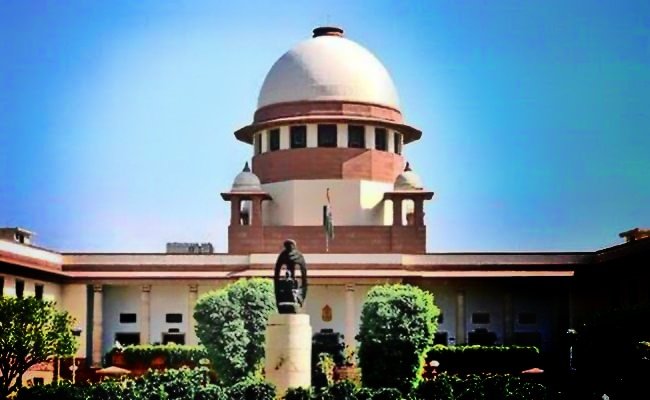
A significant number of cases originating from Shivamogga district in Karnataka have been identified as eligible for settlement through mediation in the Supreme Court. A total of 47 such cases have been cleared for resolution via this alternative dispute resolution mechanism.
The District Legal Services Authority of Shivamogga has been instrumental in this process, informing that these cases qualify for settlement during a ‘Samadhan Samaroh,’ a mediation and settlement drive. This initiative aims to expedite the resolution of legal disputes by leveraging the principles of mediation.
Mediation in India has seen considerable growth, supported by judicial pronouncements and initiatives aimed at promoting Alternative Dispute Resolution (ADR) methods. The Supreme Court of India has consistently upheld the importance of mediation, notably in cases like Salem Bar Association v. Union of India, emphasizing its role in the expeditious disposal of cases. The establishment of the Mediation and Conciliation Project Committee (MCPC) further underscores the judiciary’s commitment to fostering mediation practices across the country.
The legal framework for mediation in India has been evolving, with provisions under the Code of Civil Procedure, 1908, and specific acts like the Commercial Courts Act, 2015, providing a foundation for its implementation. Recent legislative efforts, including the proposed Mediation Bill, aim to provide a comprehensive legal framework, offering binding and enforceable settlement agreements, and encouraging pre-litigation mediation to reduce the burden on courts.
Court-annexed mediation, where mediation centers are attached to courts and managed by them, is becoming increasingly prevalent. These centers often allocate cases to panel mediators, sometimes without charging fees to the parties involved. The process typically involves a mediator facilitating discussions between parties, either jointly or separately, to help them reach an amicable settlement. If an agreement is reached, it is reduced to writing and submitted to the referring court, which then passes a decree based on the settlement.
Nationwide mediation drives, such as the ‘Mediation For the Nation’ initiative organized by the National Legal Services Authority in association with the Supreme Court’s Mediation and Conciliation Project Committee, have contributed to resolving thousands of cases. In Karnataka alone, a recent 90-day drive saw over 5,500 cases settled across various levels of the judiciary, including matrimonial, partition suits, motor vehicle accident claims, and commercial disputes. These drives highlight the effectiveness of mediation in clearing case backlogs and providing efficient dispute resolution.
❤️ Support Independent Journalism
Your contribution keeps our reporting free, fearless, and accessible to everyone.
Or make a one-time donation
Secure via Razorpay • 12 monthly payments • Cancel anytime before next cycle


(We don't allow anyone to copy content. For Copyright or Use of Content related questions, visit here.)

The Chenab Times News Desk