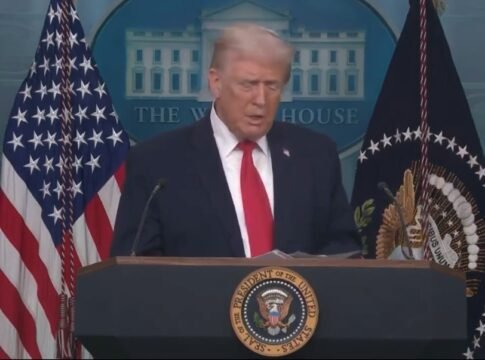
Washington D.C. – The United States enacted sweeping 50% tariffs on approximately $20 billion worth of Canadian products early Saturday, escalating trade tensions between the two North American nations. The punitive duties went into effect after last-minute negotiations failed to bridge the divide between the two governments, despite a three-day extension granted by President Donald Trump.
The imposition of these tariffs marks a significant deterioration in the relationship between the United States and Canada, historic allies whose economies are deeply intertwined. The tariffs, which target a wide array of goods from hockey sticks to tongue depressors, represent about 5% of Canada’s annual exports to the United States. This move is part of a broader strategy by the Trump administration to renegotiate trade terms and encourage the repatriation of manufacturing jobs to the U.S.
Canadian Prime Minister Mark Carney immediately signaled Canada’s intent to retaliate, stating that the country would match the U.S. tariffs “dollar for dollar” to safeguard its domestic industries and workforce. This retaliatory stance underscores the seriousness of the trade conflict and casts a shadow over the future of the United States-Mexico-Canada Agreement (USMCA), the successor to the North American Free Trade Agreement (NAFTA), which is critical for economic activity across all three nations.
Sources within the Trump administration indicated that Canada’s alleged “new demands and walk-backs of other commitments” derailed the carefully balanced agreement that had been nearing completion. U.S. Trade Representative Jamieson Greer released a statement suggesting that Canada’s last-minute changes were unfair and economically unsound, leading to the suspension of negotiations. Conversely, Prime Minister Carney blamed Washington for the breakdown, citing “unfair, uneconomic” last-minute shifts in the U.S. proposals and deeming them unreliable.
The failure to reach a consensus represents a sharp reversal from just days prior, when officials on both sides expressed optimism about reaching a compromise. The U.S. offer was described as “forward-looking” and encompassing a “historic economic and national security partnership,” according to U.S. officials. However, with no further talks currently scheduled, the path forward remains uncertain, and the economic implications for both nations are expected to be significant.
The breakdown in trade talks has broader implications for North American economic integration. The USMCA, which entered into force on July 1, 2020, replaced NAFTA with the aim of creating a more balanced and reciprocal trade environment. The agreement includes provisions for updated rules of origin for automobiles, enhanced labor and environmental obligations, and new chapters on digital trade and anticorruption. The ongoing disputes, however, threaten the stability and predictability that such trade pacts are designed to provide.
Canada’s extensive trade relationship with the United States, with nearly 72% of its goods exports directed to its southern neighbor, makes it particularly vulnerable to such trade actions. The Canadian public has expressed significant frustration, with a petition calling for the expulsion of the U.S. ambassador garnering a substantial number of signatures. The underlying rhetoric from President Trump, including past comments about potentially making Canada the 51st state, has further strained diplomatic ties.
The administration’s imposition of tariffs has been framed as a measure to bring manufacturing back to the United States. However, this strategy has also led to retaliatory measures from other trading partners, creating a complex web of international trade disputes. The recent developments also come amid broader discussions about the future of the USMCA, including its six-year review approaching in 2026, and the potential for renegotiation or adjustments to the agreement.
Canadian Minister Dominic LeBlanc, who was involved in the final hours of negotiations, characterized the talks as intense and consequential, emphasizing that work continued until the very last moment. Despite assurances from President Trump that an agreement was progressing, LeBlanc highlighted that substantial work remained. The U.S. also indicated it was beginning trade discussions with Mexico, adding another layer to the complex North American trade landscape.
Prime Minister Carney has pledged to announce additional support measures for Canadian workers and businesses in the coming days, acknowledging the economic pressure resulting from the tariff impositions. The failure to secure a trade deal by the deadline highlights the persistent challenges in balancing national economic interests with the benefits of international trade cooperation. The situation remains fluid, with both nations facing the immediate consequences of the newly enacted tariffs and the longer-term implications for their bilateral trade relationship and the broader North American economy.
❤️ Support Independent Journalism
Your contribution keeps our reporting free, fearless, and accessible to everyone.
Or make a one-time donation
Secure via Razorpay • 12 monthly payments • Cancel anytime before next cycle


(We don't allow anyone to copy content. For Copyright or Use of Content related questions, visit here.)

Global Affairs Desk at The Chenab Times covers international developments, global diplomacy, and foreign policy issues through fact-based reporting, explainers, and analytical pieces. The desk focuses on major geopolitical events, diplomatic engagements, and international trends, with an emphasis on verified information, multiple perspectives, and contextual understanding of global affairs.