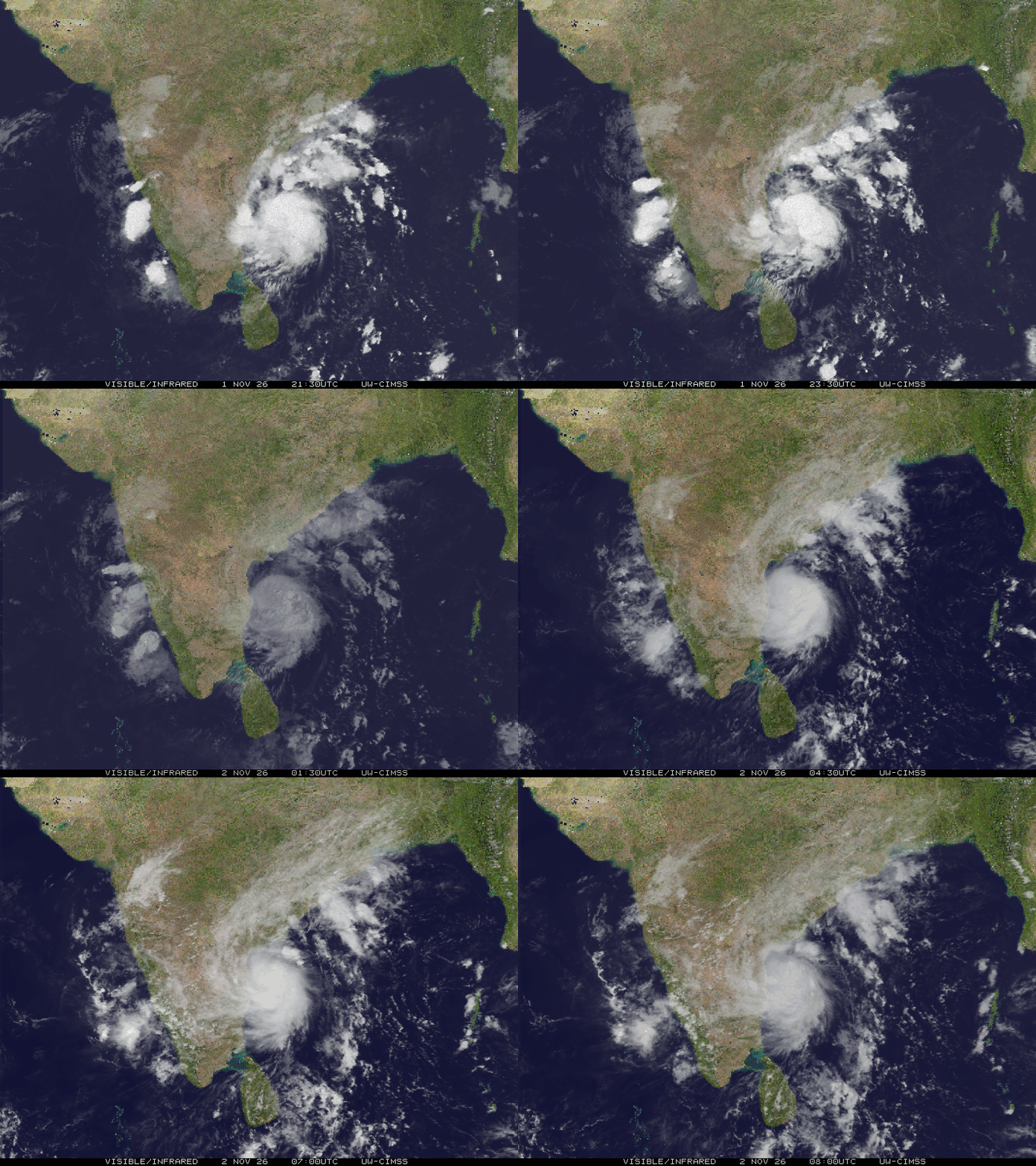
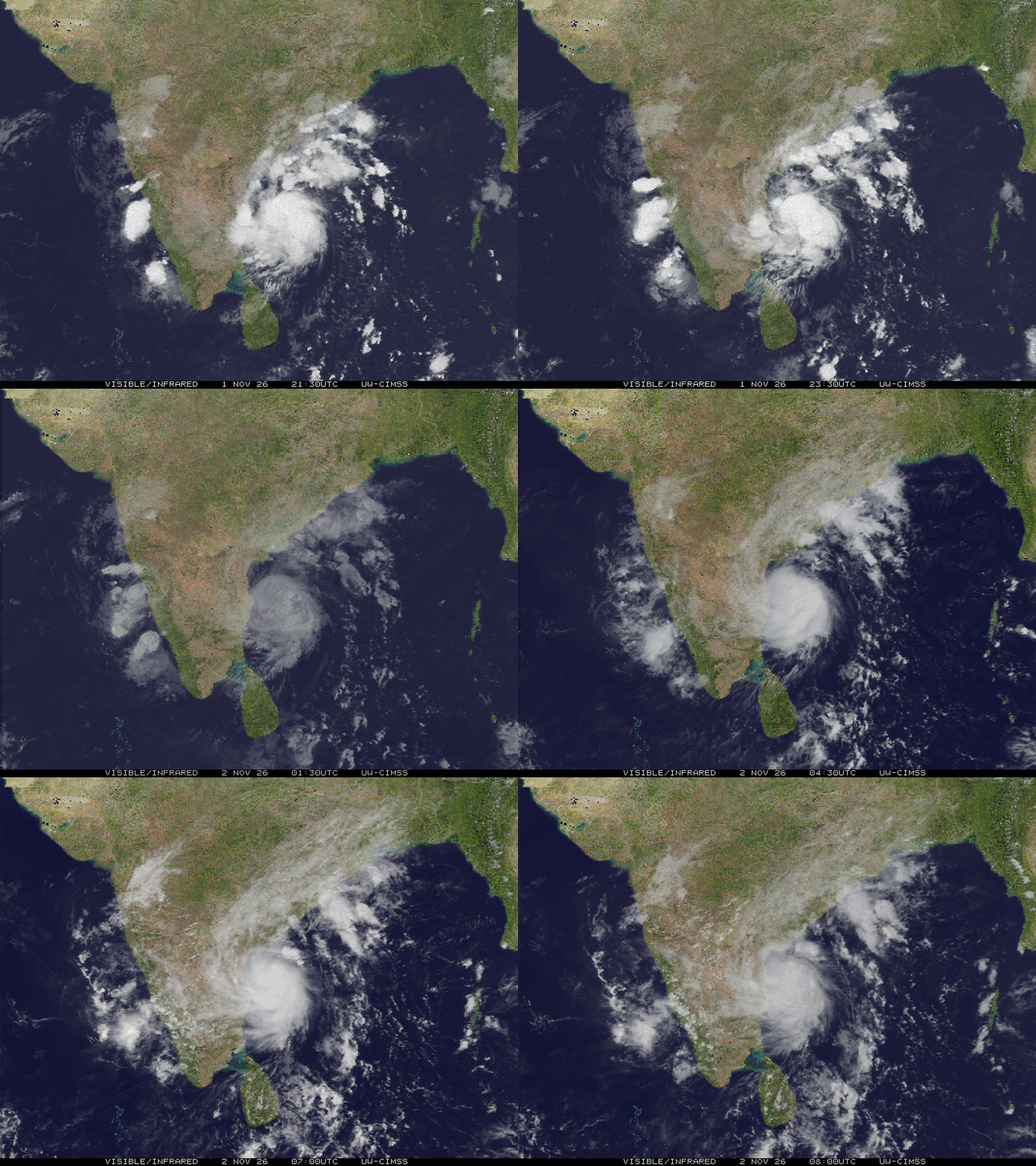
In a notable first, the traditional Tamil percussion instrument and word ‘Murasu’ has been designated as the name for a tropical cyclone in the Bay of Bengal, marking the first time a Tamil word has been selected for a cyclone since the naming convention began in the North Indian Ocean region in September 2004.
The Chenab Times has learned that the selection of ‘Murasu’ signifies a growing inclusion of regional languages and cultural heritage in global meteorological naming systems. This naming convention aims to standardize and simplify the communication of weather warnings, enhancing public awareness and preparedness.
The World Meteorological Organization (WMO) and the United Nations Economic and Social Commission for Asia and the Pacific (ESCAP) panel are responsible for maintaining the lists of tropical cyclone names for the region. Member countries contribute names to these lists, which are then used sequentially when cyclones form.
The process of naming cyclones involves a consensus among the 13 member countries in the North Indian Ocean region, which includes Bangladesh, India, Iran, Maldives, Myanmar, Oman, Pakistan, Qatar, Saudi Arabia, Sri Lanka, Thailand, United Arab Emirates, and Yemen. Each country proposes names that are culturally relevant and easily pronounceable within the region.
The ‘Murasu’ name was proposed by India. The term ‘Murasu’ itself refers to a large, ancient percussion instrument played in Tamil Nadu, often used in traditional ceremonies and historical contexts. Its selection reflects a conscious effort to incorporate linguistic diversity and cultural richness into the nomenclature of natural phenomena.
The introduction of regional language names for cyclones is part of a broader initiative to make weather information more accessible and relatable to local populations. Previously, names were often in English or other widely spoken languages, sometimes posing a barrier to understanding in non-English speaking regions.
Cyclone naming conventions are not new; they have been in place for decades in different oceanic basins around the world. The current system for the North Indian Ocean, established in 2004, replaced an older method where cyclones were assigned numbers. The panel’s decision to include ‘Murasu’ highlights a dynamic evolution in how meteorological events are identified and communicated globally.
The significance of this naming extends beyond meteorology, serving as a cultural ambassador for the Tamil language and its heritage on an international stage. It underscores the interconnectedness of language, culture, and science in addressing global challenges such as extreme weather events.
The WMO maintains strict guidelines for the names proposed, ensuring they are not offensive, politically sensitive, or too similar to existing names. The names are also intended to be short and easy to remember, facilitating clear communication during critical weather situations.
The selection process is a meticulous one, involving consultation and agreement among all regional meteorological organizations. India’s proposal of ‘Murasu’ likely went through several stages of review and approval before its official inclusion in the list of approved cyclone names.
The Bay of Bengal is a region prone to tropical cyclones, with several significant storm systems forming and making landfall each year. Naming these cyclones provides a crucial tool for forecasters, emergency responders, and the public to track and prepare for their impacts.
The formal naming of a cyclone provides a distinct identity, allowing for clearer communication in media reports, scientific discussions, and public advisories. This unambiguous identification is vital for conveying accurate information about storm intensity, trajectory, and potential hazards.
The inclusion of ‘Murasu’ is seen by many as a step towards greater inclusivity in scientific nomenclature, recognizing the linguistic diversity of the Indian subcontinent and beyond. It encourages other countries to put forth names that reflect their unique cultural identities.
The tradition of naming weather phenomena has a long history, with early methods being less systematic. Modern approaches, however, emphasize clarity, cultural sensitivity, and international cooperation. The WMO coordinates these efforts globally to ensure consistency and effectiveness.
As ‘Murasu’ now sits on the list of potential cyclone names, it awaits its first official assignment to a developing storm. This milestone signifies a subtle yet important shift in acknowledging and celebrating the linguistic tapestry of the regions affected by these powerful weather events.
❤️ Support Independent Journalism
Your contribution keeps our reporting free, fearless, and accessible to everyone.
Or make a one-time donation
Secure via Razorpay • 12 monthly payments • Cancel anytime before next cycle


(We don't allow anyone to copy content. For Copyright or Use of Content related questions, visit here.)

The Chenab Times News Desk