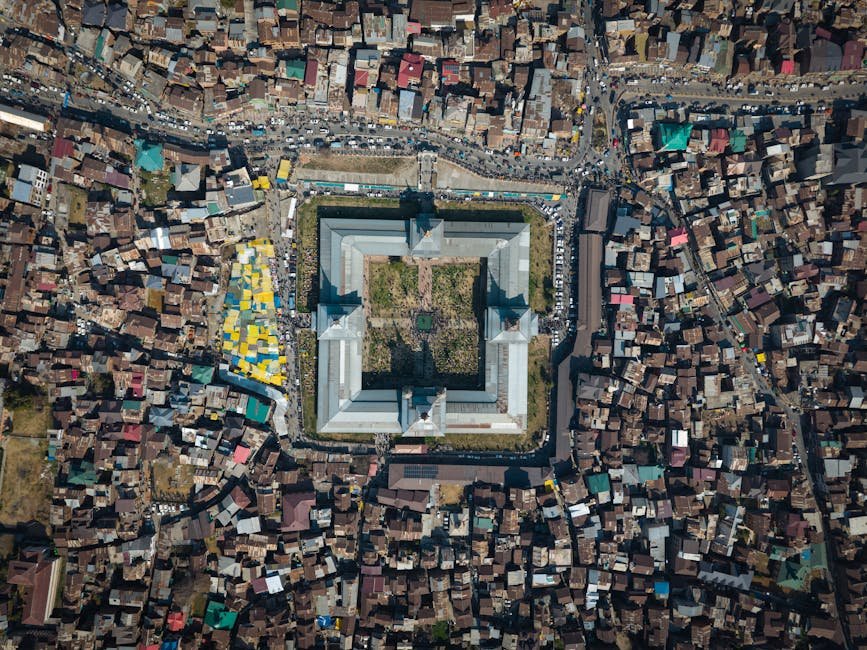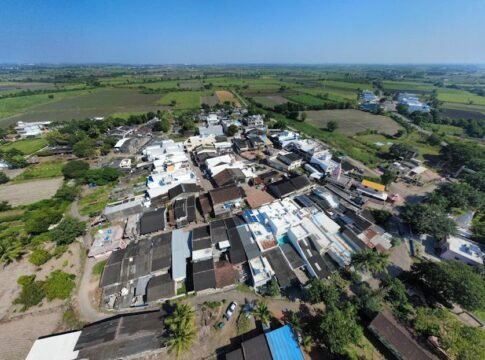
Vadgaon Sahani, a small village nestled in the Junnar taluka of Pune district, Maharashtra, has carved a unique identity for itself as a nurturing ground for Kabaddi, earning the affectionate moniker ‘Kabaddi chi Pandhari’ (The Hub of Kabaddi). This village, with a population of approximately 1,840 residents spread across nearly 590 houses, has cultivated a rich legacy in the sport over several decades, consistently producing skilled Kabaddi players.
A Deep-Rooted Kabaddi Culture
The tradition of Kabaddi in Vadgaon Sahani is deeply embedded in its social fabric. What began as an inspirational movement in 1971, spearheaded by enthusiasts who witnessed the sport in other cities, soon transformed into a way of life for the villagers. Elders recall a time when Kabaddi was paramount, with almost every household contributing at least one player. This fervent dedication to the sport was particularly evident during its ‘golden era’ between the 1990s and early 2000s, when the village boasted eight to ten active teams, each representing different hamlets. Matches were not merely competitions but significant community events, often held during local festivals like Hanuman Jayanti, Ram Navami, Ganesh Utsav, and village yatras.
According to details received by The Chenab Times, even today, village-level tournaments are organized during festivals, with their funding sustained through community contributions. Former players who have relocated from the village frequently return to participate and support these events, underscoring the enduring emotional connection the community shares with the sport.
Nurturing Future Talent
The spirit of Kabaddi continues to thrive in Vadgaon Sahani, with a dedicated group of players and trainers committed to carrying forward the legacy. An indoor stadium in the village serves as a hub where, every evening, around 50 children gather for free training sessions conducted by former players and volunteers. This initiative reflects the community’s collective effort to keep the sport alive and accessible to the younger generation.
The determination among the youth remains strong, with aspiring players like 16-year-old Vedant Shinde expressing their ambition to become star players. This dedication is fueled by the ongoing practice sessions and the continued organization of local tournaments, which provide a platform for budding talent to hone their skills.
Historical Context of Kabaddi in India
The roots of Kabaddi in India are ancient, with the sport believed to have originated thousands of years ago. It was played in various forms across different regions, known by names such as ‘Hu-Tu-Tu’ in Maharashtra, ‘Chedugudu’ in Andhra and Mysore, ‘Jabarjang’ in Punjab, and ‘Hu-du-du’ in Bengal. The standardization of Kabaddi rules began in Maharashtra in the early 20th century, with the first framework of rules prepared in 1921. The sport was introduced to the National Games in 1938, and the All-India Kabaddi Federation was formed in 1950. Kabaddi made its debut as a demonstration sport at the first Asian Games in New Delhi in 1951 and was later included in the official Asian Games program in 1990. The advent of professional leagues, such as the Pro Kabaddi League, has further propelled the sport’s popularity, transforming it from a traditional village game into a widely watched professional sport.
The journey of Kabaddi in India has evolved significantly, from its rudimentary beginnings in rural villages to becoming a professional sport with a global following. Villages like Vadgaon Sahani play a crucial role in preserving and promoting this indigenous sport, ensuring its continuous development and appeal to future generations.
❤️ Support Independent Journalism
Your contribution keeps our reporting free, fearless, and accessible to everyone.
Or make a one-time donation
Secure via Razorpay • 12 monthly payments • Cancel anytime before next cycle


(We don't allow anyone to copy content. For Copyright or Use of Content related questions, visit here.)

The Chenab Times News Desk