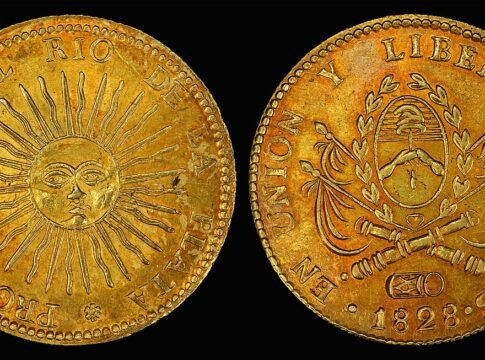
In times of escalating global instability, investors are increasingly turning to gold and silver, traditional safe haven assets, as market volatility rises. These precious metals are regaining prominence amid geopolitical tensions, inflation anxieties, and shifts in central bank policies, offering a perceived store of value when other investments face unpredictable fluctuations.
The Chenab Times has learned that the heightened interest in gold and silver stems from their historical performance during crises and their unique characteristics that appeal to risk-averse investors. As stock markets become unpredictable and currencies fluctuate, attention naturally gravitates towards these tangible assets, seeking a measure of security amidst economic and political uncertainty.
Understanding Safe Haven Assets
A safe haven asset is defined by its ability to retain or increase its value during periods of market turmoil and economic uncertainty. These assets are sought after by investors looking to preserve capital when conventional investments, such as equities, are declining.
Gold has long been regarded as the preeminent safe haven. Its value is not directly tied to the performance of any single company, nor is it controlled by a central authority, distinguishing it from stocks and currencies. Its tangible nature and widely perceived intrinsic value contribute to investor confidence, providing a sense of security that is often absent in more volatile markets.
Silver, while exhibiting slightly more volatility than gold, often mirrors its safe haven appeal. It possesses a dual characteristic, combining defensive qualities with potential growth driven by industrial demand. This makes it an attractive option for investors seeking both stability and exposure to economic expansion.
Historically, both gold and silver have demonstrated resilience during significant global events, including financial collapses and geopolitical conflicts. Their established role as a hedge against uncertainty underpins their enduring appeal, even though their short-term price movements can be subject to various market dynamics.
The Role of Uncertainty and Inflation
Global uncertainty is a primary driver for investor attention on gold and silver prices. Periods marked by wars, political instability, or economic slowdowns typically see an increase in demand for safe assets. World Bank commodity outlook reports indicate that gold prices often surge during heightened geopolitical tension and economic uncertainty, bolstered by strong investor and central bank buying.
Recent global developments, including ongoing geopolitical tensions and economic disruptions, have reinforced this trend, leading investors to adopt precious metals as a defensive strategy. Even short-term events such as fluctuations in oil prices, currency movements, or localized conflicts can trigger immediate changes in gold and silver rates, highlighting their sensitivity to macroeconomic shifts.
In parallel, inflation concerns significantly influence investor decisions regarding gold. As inflation erodes the purchasing power of fiat currencies, gold historically serves as a store of value, preserving wealth over extended periods. Research suggests that increased inflation expectations or diminished confidence in central banks typically leads to higher demand for gold as investors seek to protect their assets.
Silver also benefits from this dynamic, though its industrial applications mean its price can be influenced by broader economic conditions as well. Concerns surrounding rising global debt, potential currency debasement, and persistent inflation have solidified the role of precious metals as a crucial hedge against wealth erosion.
Central Bank Demand and Portfolio Diversification
A significant, though often less discussed, factor supporting gold’s appeal is the consistent buying activity by central banks worldwide. Gold has become a major global reserve asset, second only to the U.S. dollar, as nations seek to diversify their holdings and reduce reliance on single currencies. This strategy aims to enhance financial stability and independence from any one nation’s economic policies.
The surge in central bank gold acquisitions in recent years accounts for a substantial portion of the global demand, signaling institutional confidence in gold as a strategic asset for long-term financial stability. For individual investors, this trend serves as an important endorsement of gold’s enduring value proposition.
Furthermore, gold’s low correlation with traditional assets like equities makes it a valuable tool for portfolio diversification. When stock markets decline, gold often exhibits inverse or stable price movements, though this is not always consistent in the short term. This characteristic helps investors reduce overall portfolio risk and smooth out returns. While silver can be more volatile, it also contributes to diversification benefits, particularly when held in conjunction with gold.
Silver’s Industrial Role and Market Dynamics
Beyond its safe haven qualities, silver plays a dual role owing to its extensive industrial applications. A significant portion of silver demand, exceeding half, originates from industries such as electronics, solar panels, and semiconductors. As the global economy transitions towards renewable energy and digital infrastructure, silver’s importance is projected to grow.
This dual nature means that silver prices are influenced not only by investor sentiment but also by the demand generated from these critical industrial sectors. Consequently, silver presents an increasingly interesting asset for investors looking to capitalize on both safe haven appeal and burgeoning industrial growth.
Despite their reputation, gold and silver are not immune to short-term volatility. Factors such as interest rate changes, currency movements, and shifts in investor sentiment can cause significant price fluctuations. Changes in U.S. monetary policy or the strength of the U.S. dollar, for example, can directly impact precious metal prices. In certain scenarios, gold may even behave more like a risk asset during periods of rapid market change, underscoring the complex dynamics that influence its price.
Understanding these multifaceted influences makes tracking gold and silver prices a crucial activity for traders and investors seeking to navigate the complexities of the current global economic landscape.
❤️ Support Independent Journalism
Your contribution keeps our reporting free, fearless, and accessible to everyone.
Or make a one-time donation
Secure via Razorpay • 12 monthly payments • Cancel anytime before next cycle


(We don't allow anyone to copy content. For Copyright or Use of Content related questions, visit here.)

The Chenab Times News Desk