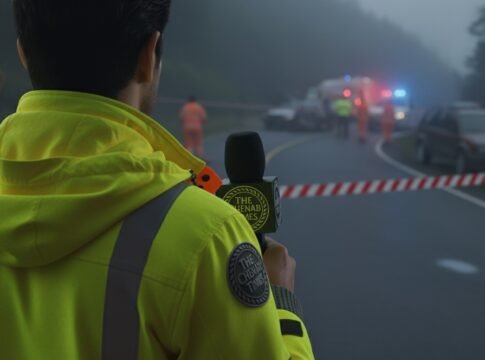
Bengaluru has once again been identified as India’s deadliest metropolitan city concerning fatalities resulting from civic negligence, marking the sixth consecutive year the city has recorded the highest number of such deaths. This grim statistic raises pertinent questions about the effectiveness of administrative overhauls and ground-level improvements aimed at enhancing urban safety and public infrastructure.
According to details received by The Chenab Times, the persistent high mortality rate underscores a systemic issue within the city’s civic governance and infrastructure maintenance. Despite various administrative reforms and initiatives over the years, the core problems leading to preventable deaths appear to persist, impacting thousands of lives annually.
The data, compiled over a six-year period, highlights a disturbing trend where lapses in civic amenities such as potholed roads, malfunctioning traffic signals, inadequate drainage systems, and poorly maintained public spaces have led to fatal accidents and untoward incidents. These deaths often stem from failures in basic urban management, including the upkeep of roads, public utilities, and adherence to safety regulations in construction and public works.
Experts and urban planners have frequently pointed to a fragmented administrative structure as a significant impediment to effective governance in Bengaluru. Multiple agencies often have overlapping jurisdictions and responsibilities, leading to a lack of accountability and delayed action on critical infrastructure issues. The sheer pace of Bengaluru’s population growth and urban expansion has also strained existing infrastructure, making proactive maintenance and upgrades a constant challenge.
The issue of civic negligence leading to fatalities is not unique to Bengaluru, but the city’s consistent position at the top of this list suggests a deeper, more entrenched problem. These deaths are not mere statistics; they represent families devastated by preventable loss, often due to a lack of basic civic responsibility and oversight. Common incidents contributing to these figures include road accidents caused by craters and unmarked obstructions, electrocutions due to faulty wiring in public areas, and drowning deaths during monsoon seasons due to clogged drains and overflowing storm water. Falls from poorly maintained pedestrian infrastructure and accidents related to unmaintained public transport are also significant contributors.
Previous reports and studies have indicated that while awareness of these issues has grown, the implementation of sustainable solutions has been slow. A lack of stringent enforcement of building codes and road maintenance standards, coupled with insufficient funding allocated for crucial infrastructure upgrades, further exacerbates the problem. The phenomenon of rapid urbanization in Bengaluru, fueled by its status as a major IT and economic hub, has often outpaced the capacity of civic bodies to manage its infrastructure effectively and ensure public safety.
The administrative landscape of Bengaluru has seen several attempts at reform, including mergers of municipal bodies and the establishment of new oversight committees, yet the persistent high death toll suggests these measures have not adequately addressed the root causes. A critical need exists for a more integrated approach to urban planning and management, one that prioritizes public safety, enhances inter-agency coordination, and ensures robust accountability mechanisms are in place to prevent such avoidable tragedies.
The ongoing concern for residents is whether the city’s administration can translate awareness into concrete, lasting improvements that will safeguard lives and enhance the quality of urban living. The continued prominence of Bengaluru in these statistics serves as a stark reminder of the urgent need for effective, citizen-centric governance in India’s rapidly growing metropolitan centers.
❤️ Support Independent Journalism
Your contribution keeps our reporting free, fearless, and accessible to everyone.
Or make a one-time donation
Secure via Razorpay • 12 monthly payments • Cancel anytime before next cycle


(We don't allow anyone to copy content. For Copyright or Use of Content related questions, visit here.)

The Chenab Times News Desk