


The Climate Ambition Support Alliance (CASA) is a vital initiative dedicated to empowering climate-vulnerable nations, particularly Least Developed Countries (LDCs) and Small Island Developing States (SIDS), to effectively participate and advocate for their interests in international climate negotiations.
The Chenab Times has learned that CASA provides crucial support, including training, technical, legal, and logistical assistance, to negotiators from these countries. This enables them to enhance their capacity, strengthen their negotiating positions, and ensure their voices are heard on the global stage concerning climate change mitigation, adaptation, and finance.
Strengthening Negotiation Capacity
Launched in 2019, CASA operates as a multi-year program funded by entities such as the UK government. Its core mission is to bolster the engagement of climate-vulnerable countries within the framework of the United Nations Framework Convention on Climate Change (UNFCCC) and other multilateral forums. The alliance aims to preserve and strengthen the rules-based international system and foster greater ambition in climate action. Key partners in this endeavor include organizations like Climate Analytics, Germanwatch, the International Institute for Environment and Development (IIED), and others who collectively provide a spectrum of support services.
Addressing Critical Climate Issues
CASA’s work is instrumental in helping negotiators address complex and critical climate issues. This includes supporting the mobilization of increased climate ambition and the implementation of the Paris Agreement through scientific and technical information relevant to updating Nationally Determined Contributions (NDCs). The alliance also offers real-time technical support during UNFCCC sessions and inter-sessional meetings, alongside the development of policy briefs and knowledge products tailored to the needs of AOSIS and the LDC Group.
Integrating Mountain Agendas
In certain regions, such as Nepal, CASA’s efforts are specifically directed towards elevating the mountain agenda within global climate negotiations. This involves building regional and global alliances among mountainous countries, strengthening national leadership and negotiation capacity, and ensuring that issues like glacier loss, adaptation, and climate finance related to mountain ecosystems are integrated into UNFCCC decisions and future climate policies. This regional focus underscores the diverse applications of CASA’s support, adapting to specific geographical and developmental contexts.
Global Reach and Partnerships
The initiative’s reach extends to supporting the Chairs of influential negotiating groups like the Alliance of Small Island States (AOSIS) and the Least Developed Countries (LDC) Group. These groups represent a significant number of countries that are among the world’s poorest and most vulnerable to climate change impacts. CASA’s support helps these negotiators navigate challenges arising from socio-economic and geographical factors that can hinder the effective presentation of their interests in international forums. The program also actively seeks to improve the coordination and institutional capacity of these groups, facilitating access to external expertise and fostering stronger progressive alliances.
CASA’s efforts are aligned with overarching goals such as those outlined in the Paris Agreement and the Glasgow Climate Pact, focusing on mitigation, adaptation, and climate finance. Activities often include capacity-building training on key agenda items for upcoming Conferences of the Parties (COPs), such as the Global Stocktake, loss and damage finance, and the Global Goal on Adaptation. Consultation workshops and the preparation of negotiation position papers are also integral components of the support provided.
❤️ Support Independent Journalism
Your contribution keeps our reporting free, fearless, and accessible to everyone.
Or make a one-time donation
Secure via Razorpay • 12 monthly payments • Cancel anytime before next cycle


(We don't allow anyone to copy content. For Copyright or Use of Content related questions, visit here.)

The Chenab Times News Desk

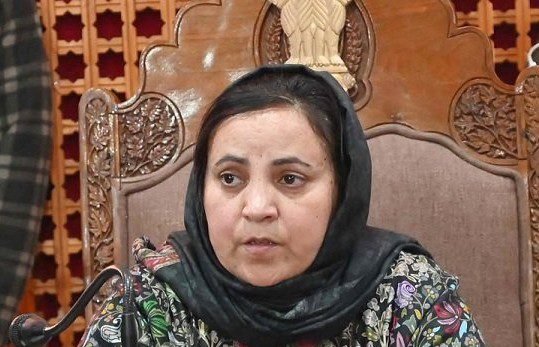

 enhances the capacity of climate-vulnerable countries, including LDCs and SIDS, to participate effectively in global climate negotiations and advocate for ambitious climate action.)