


The political landscape of Tamil Nadu is abuzz with discussions surrounding a potential coalition government, with Chief Minister M.K. Stalin reportedly initiating talks about a DMK-backed All India Anna Dravida Munnetra Kazhagam (AIADMK) administration. The outreach, made to key figures of the Communist Party of India (Marxist) and the Communist Party of India, along with the Viduthalai Chiruthaigal Katchi (VCK), places these parties in a pivotal position to influence the unfolding political dynamics.
The Chenab Times has learned that on Thursday, Chief Minister Stalin convened a meeting at his residence on Cenotaph Road, inviting P. Shanmugam, the State secretary of CPI(M), M. Veerapandian, the State secretary of CPI, and Thol. Thirumavalavan, the leader of VCK. During this engagement, the Chief Minister is said to have broached the idea of forming a government supported by the DMK, which would involve the AIADMK. This development signals a complex inter-party negotiation strategy ahead of crucial political junctures.
The current political machinations appear to stem from a period of significant internal strife within the AIADMK. The party has been deeply divided for an extended period, with factional leaders engaging in protracted legal and political battles for supremacy. This internal discord has weakened the party’s overall strength and its ability to project a unified front in any potential alliance or electoral contest.
The DMK, a dominant force in Tamil Nadu politics, is strategically engaging with the Left parties and the VCK. These parties, while having a smaller electoral footprint individually, command significant influence within their respective support bases and hold considerable sway in coalition arithmetic. Their support is often seen as crucial for consolidating broader electoral mandates and ensuring political stability.
The CPI(M) and CPI, with their established organizational structures and ideological appeal, represent a segment of the electorate that prioritizes social justice and secularism. The VCK, led by Thol. Thirumavalavan, champions the cause of marginalized communities and has a strong following among Dalit and other backward classes. Their alignment with the DMK is historically common, but their explicit involvement in discussions about a DMK-backed AIADMK government suggests a more nuanced and potentially complex arrangement.
Sources within the political circles suggest that the DMK’s approach might be aimed at achieving multiple objectives. Firstly, it could be an attempt to further consolidate its own position by bringing potentially allied parties into a broader governmental framework, thereby securing their continued support. Secondly, by exploring the possibility of a coalition involving the AIADMK, the DMK may be seeking to influence the internal dynamics of its primary opposition party. Such a move could potentially lead to a realignment of forces within the AIADMK, or it could serve to further expose and exacerbate the existing divisions.
The AIADMK, which has traditionally been a formidable political entity in Tamil Nadu, has been grappling with leadership crises and factionalism following the demise of its former leaders, J. Jayalalithaa and M. Karunanidhi. The subsequent power struggles between factions led by O. Panneerselvam and E. Palaniswami, and more recently the ascendance of T.T.V. Dhinakaran-backed Amma Makkal Munnetra Kazhagam (AMMK), have fragmented the party’s vote share and organizational strength.
The implications of such a coalition, if it materializes, could be far-reaching. It would represent a significant departure from traditional political alignments and could set new precedents for coalition politics in the state. The DMK, under M.K. Stalin, has been consolidating its governance and attempting to maintain its electoral momentum. Engaging with the AIADMK in this manner, even if indirectly, could be seen as a strategic maneuver to shape the opposition landscape and ensure a period of relative political stability for its own administration.
The precise nature of the proposed AIADMK government, and the extent of DMK’s involvement, remains a subject of intense speculation. However, the current discussions clearly indicate that the Left parties and the VCK are now at the center of a political realignment process, holding the key to potential shifts in Tamil Nadu’s political dynamics. Their response to the DMK’s overtures will be closely watched by political observers and stakeholders across the state.
❤️ Support Independent Journalism
Your contribution keeps our reporting free, fearless, and accessible to everyone.
Or make a one-time donation
Secure via Razorpay • 12 monthly payments • Cancel anytime before next cycle


(We don't allow anyone to copy content. For Copyright or Use of Content related questions, visit here.)

The Chenab Times News Desk
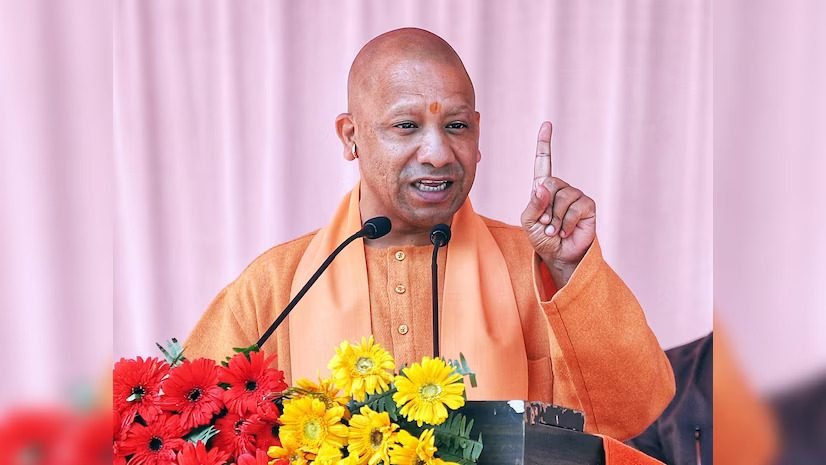


, CPI, and VCK leaders, positioning them as key influencers in potential political realignment.)