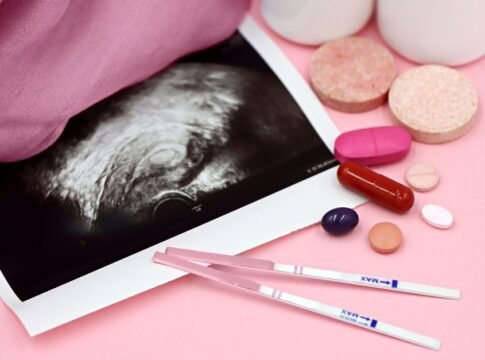
Jammu and Kashmir is grappling with a significant decline in its total fertility rate (TFR), which has fallen from an average of 4.5 births per woman in 1980 to approximately 1.4, according to recent data. This sharp decrease, well below the replacement level of 2.1, is raising concerns about the region’s demographic future. Alongside this demographic shift, medical professionals are observing an under-discussed rise in Premature Ovarian Insufficiency (POI), a condition causing ovaries to age decades before their time, impacting fertility among young women.
Information was available with The Chenab Times indicating that the falling fertility rate in Jammu and Kashmir, if sustained, could lead to a shrinking and ageing population, a smaller future workforce, and strain traditional family structures. While declining fertility rates in India are often attributed to factors such as later marriages, career prioritisation, and conscious family planning, a substantial portion of the decline in Jammu and Kashmir appears to be driven by involuntary infertility.
Rising Cases of Premature Ovarian Insufficiency
A significant number of women in the region are facing infertility not by choice, but due to conditions like Premature Ovarian Insufficiency (POI), previously known as Premature Ovarian Failure (POF). This condition occurs when ovaries cease to function normally before the age of 40, leading to reduced egg production, declining estrogen levels, and disruption of the hormonal balance. The unpredictable nature of POI means that periods and ovulation can continue sporadically, masking the sharp decline in ovarian reserves until a woman actively tries to conceive.
Clinicians now favour the term POI over POF, as ovarian activity can be intermittent, allowing for a window for treatment and, in some instances, conception. Experts highlight that the decline in fertility is not solely due to age-related factors but also a result of conditions that accelerate ovarian ageing.
Medical Perspectives and Contributing Factors
Senior gynaecologists in Kashmir confirm the increasing prevalence of POI. Dr. Farhat Jabeen, a senior gynaecologist, noted that while the condition has always existed, increased awareness, better access to specialists, and a reduction in stigma have led to more women seeking medical advice. She has personally observed a rise in such cases over the past 10 to 20 years.
Late marriage is also identified as a significant contributing factor. The peak fertility period for both men and women typically falls between the ages of 20 and 30, with conception odds gradually decreasing after 30. However, the rise in POI suggests that factors beyond age and late marriage are at play.
Lifestyle shifts in urban Kashmir over the past two decades are also being examined. These include longer working hours, increased screen time, disrupted sleep patterns, a shift towards processed foods, and reduced physical activity, particularly among students facing academic pressure. While a direct causal link with POI for individuals is still under research, the overlap between these lifestyle changes and risk factors is notable.
Dr. Berkheez Shabir, a Consultant Obstetrician, Gynaecologist, and IVF Specialist, listed several potential triggers for POI, including extreme body weight, chronic stress, poor sleep, circadian disruption, environmental toxin exposure, heavy metals, poor nutrition, and sedentary habits. Genetic abnormalities and autoimmune disorders are established causes, but the interplay of lifestyle factors is becoming increasingly significant.
Challenges in Detection and Treatment
A key challenge in addressing POI is its often asymptomatic nature, making early detection difficult. Irregular periods, disrupted sleep, mood swings, and hot flashes can be dismissed as general symptoms of stress in young adulthood. This lack of early warning signs means that diagnosis frequently occurs only after a woman has been trying to conceive unsuccessfully, often leading to shock and emotional distress.
Awareness about POI remains low, particularly outside urban centres. Girls and young women often consult doctors only after marriage when they face difficulties conceiving, by which time treatment options may be limited.
Medical professionals emphasize the importance of early detection. If identified early, patients can be counselled on completing their families or consider options like egg freezing. While Kashmir’s reproductive health infrastructure has expanded, reducing the need for patients to travel outside the region, experts caution against expensive and potentially unnecessary treatments offered by some external providers.
A 2015 study published in the International Journal of Development Research, titled ‘Prevalence and Causes of Infertility Among Women of Jammu and Kashmir,’ indicated that reproductive organ pathology was the most common diagnosis among infertile women, followed by endocrine disorders and unexplained causes. The study underscores the complex multifactorial nature of infertility in the region.
❤️ Support Independent Journalism
Your contribution keeps our reporting free, fearless, and accessible to everyone.
Or make a one-time donation
Secure via Razorpay • 12 monthly payments • Cancel anytime before next cycle


(We don't allow anyone to copy content. For Copyright or Use of Content related questions, visit here.)

The Chenab Times News Desk