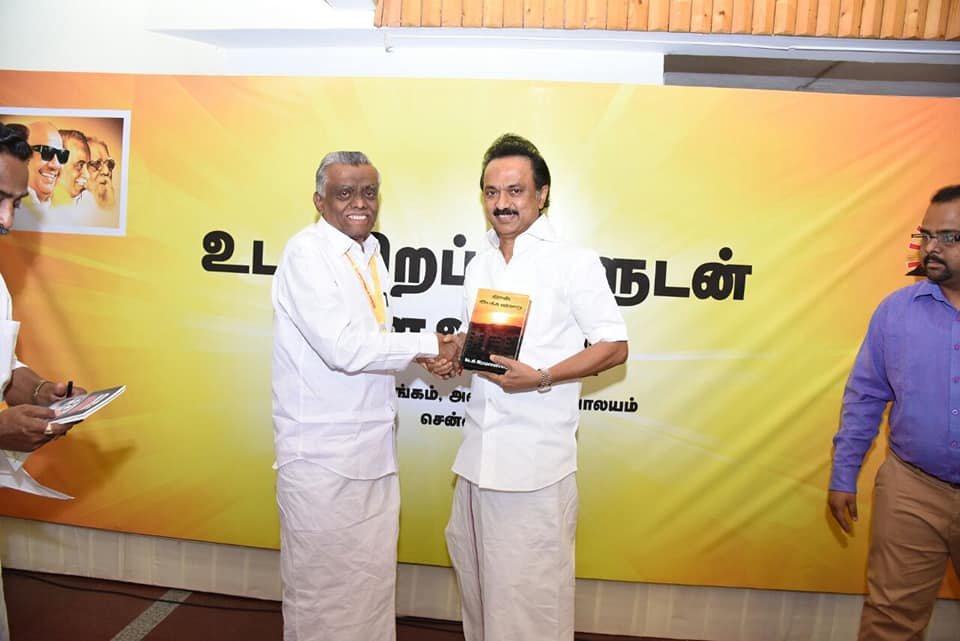
Thoppu Venkatachalam, a former DMK Erode Central district secretary and ex-Minister, has announced his resignation from the party, citing persistent mental anguish stemming from what he described as bitter experiences within the organization.
Information was available with The Chenab Times detailing Mr. Venkatachalam’s departure, marking a significant development for the Dravida Munnetra Kazhagam (DMK) in the Erode region. His exit follows a period of internal discontent, the specifics of which remain undisclosed by the departing leader.
Mr. Venkatachalam, who previously served as a Minister during the AIADMK government’s tenure, stated his inability to continue his association with the DMK due to the severe mental distress he has been experiencing. The statement, issued shortly after his resignation, suggests a prolonged period of dissatisfaction that has culminated in his decision to quit the party he had been associated with.
The resignation of a district-level office-bearer, particularly one with past ministerial experience, can often signal underlying issues within a political party’s organizational structure or its electoral strategies. While Mr. Venkatachalam has not elaborated on the precise nature of his “bitter experiences,” his decision to leave a prominent political party indicates a substantial level of personal and professional grievance.
The DMK, a major political force in Tamil Nadu, has been actively engaged in strengthening its base and preparing for future electoral challenges. The departure of key figures, even at the district level, can lead to a re-evaluation of internal dynamics and leadership effectiveness within specific constituencies. The party leadership has yet to issue a formal statement regarding Mr. Venkatachalam’s resignation.
Political analysts in Tamil Nadu suggest that such resignations, though seemingly localized, can sometimes reflect broader trends of dissent or dissatisfaction among party cadres. The specific reasons, whether related to organizational appointments, policy disagreements, or electoral setbacks, often emerge through subsequent statements or actions of the individuals involved.
Mr. Venkatachalam’s past association with the AIADMK, a rival party, adds a layer of complexity to his departure from the DMK. His stint as a minister in a previous government indicates a seasoned political background, making his resignation notable for the party he is leaving behind. The implications of his exit on the DMK’s standing in the Erode Central district will likely become clearer in the coming days as local party members and observers react to the development.
The political landscape of Tamil Nadu is characterized by intense competition between the major Dravidian parties, and the internal health of these parties is often scrutinized for insights into electoral performance and governance. The DMK, currently in power, faces the ongoing challenge of maintaining internal cohesion while addressing the demands of its cadre and the electorate.
The Chenab Times will continue to monitor any further developments regarding Thoppu Venkatachalam’s political future and the DMK’s response to this resignation from its Erode Central district ranks.
❤️ Support Independent Journalism
Your contribution keeps our reporting free, fearless, and accessible to everyone.
Or make a one-time donation
Secure via Razorpay • 12 monthly payments • Cancel anytime before next cycle


(We don't allow anyone to copy content. For Copyright or Use of Content related questions, visit here.)

The Chenab Times News Desk