New Delhi, Sep 09: Scientists have identified lower levels of serotransferrin, a protein responsible for transporting iron in the body, as a potential early indicator for coronary artery disease (CAD). This discovery could pave the way for identifying heart conditions sooner than traditional diagnostic methods.
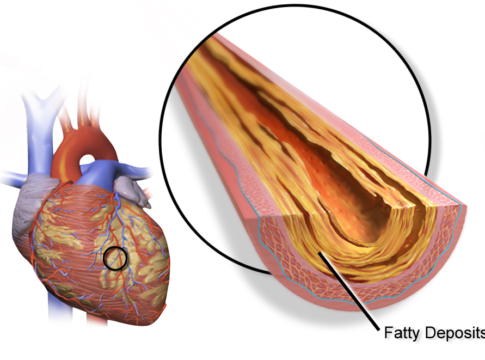
Information was available with The Chenab Times that the Institute of Genomics and Integrative Biology (IGIB) in Delhi conducted an analysis of blood serum proteins. Their findings highlight the critical role serotransferrin may play in the early detection of CAD, a prevalent cardiovascular condition characterized by the narrowing of coronary arteries due to atherosclerosis, often caused by plaque buildup.
Sagarika Biswas, the corresponding author of the study, stated that serotransferrin could offer value as an early diagnostic marker, potentially enabling the identification of CAD before routine clinical diagnosis. The IGIB researchers emphasized the importance of a deeper understanding of CAD development for the creation of effective diagnostic tools and therapeutics. Serotransferrin, previously linked to CAD, presents a promising avenue for further investigation, they noted.
The research team believes that exploring the molecular and cellular processes involving serotransferrin could illuminate the mechanisms behind CAD progression and help identify novel treatment targets. The study, published in the journal Acta Cardiologica, observed a downregulation of serotransferrin (TF), an iron transporter, in the blood samples of CAD patients compared to healthy individuals. Downregulation signifies levels lower than normal.
The study involved 50 patients diagnosed with CAD and 40 healthy participants. It also revealed elevated levels of the cardiac marker ‘troponin I’ in those with heart disorders, showing an inverse relationship with serotransferrin levels. Troponin I is a specific protein found in heart muscle cells; damage to these cells causes the protein to release into the bloodstream.
The authors concluded that serotransferrin protein was significantly associated with CAD progression and inversely correlated with cardiac troponin I (cTnI). They suggested that serotransferrin could be a potential therapeutic target, pending further molecular and clinical investigations. Biswas, formerly a distinguished chief scientist and professor at CSIR-IGIB, explained that longitudinal studies would be necessary to determine the timeframe within which serotransferrin could aid in CAD identification.
The research connected reduced serotransferrin levels to the inflammatory environment resulting from damage to the inner arterial lining, which can trigger an immune response to accumulated fatty deposits. Biswas indicated that worsening ischemia, or localized anemia due to restricted blood flow from narrowed or blocked vessels, and tissue injury could elevate troponin I. Conversely, inflammatory and metabolic stress might suppress serotransferrin expression or its availability in CAD patients.
Furthermore, serotransferrin levels can serve as an indicator of an individual’s iron status. According to standard iron studies, a transferrin saturation below 20 percent is generally considered indicative of iron deficiency, meaning less than one-fifth of transferrin’s iron-binding sites are occupied. Transferrin is a family of iron-binding proteins, with serotransferrin being a specific subtype found in blood serum and plasma. A binding site refers to a region on a protein’s surface where another molecule attaches.
Biswas clarified that serotransferrin’s role as an iron-transport protein means lower levels suggest a reduced capacity for iron binding and transport. The protein might contribute to the functional iron deficiency component of CAD by limiting plasma iron transport, though the study did not quantify this contribution as a specific percentage. Further research is anticipated to explore these findings more comprehensively.
❤️ Support Independent Journalism
Your contribution keeps our reporting free, fearless, and accessible to everyone.
Or make a one-time donation
Secure via Razorpay • 12 monthly payments • Cancel anytime before next cycle


(We don't allow anyone to copy content. For Copyright or Use of Content related questions, visit here.)

The Chenab Times News Desk