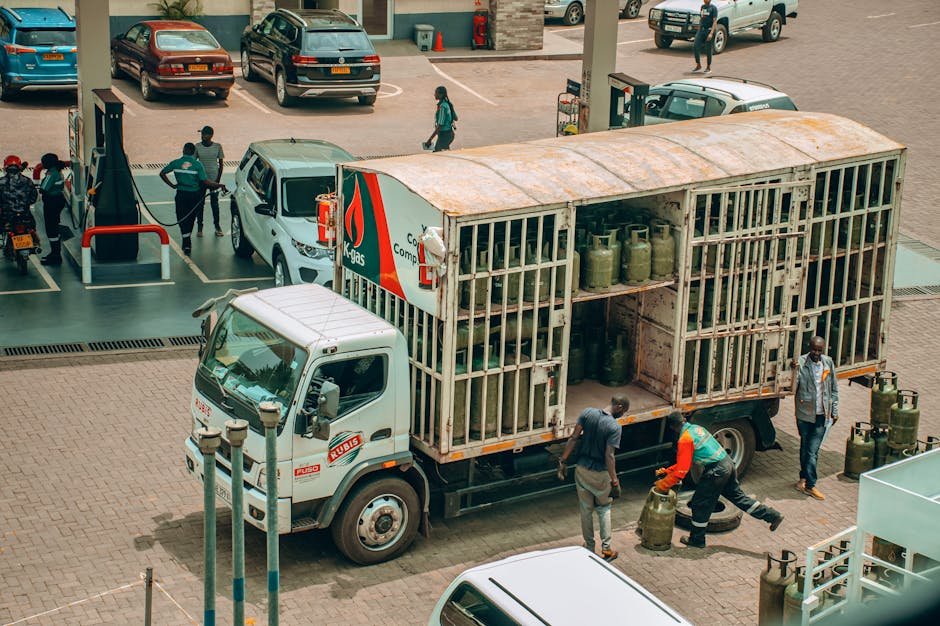
The district administration in Ludhiana has initiated a relief drive to address concerns surrounding liquefied petroleum gas (LPG) shortages, particularly for migrant workers who may be returning to their home villages. The measure aims to ensure these individuals can access essential cooking fuel with greater ease.
Information was available with The Chenab Times that a dedicated control room has been established at the GLADA Office Committee Room. This facility is operational daily between 9 a.m. and 5:30 p.m. Individuals seeking assistance or information can reach out to the control room via the helpline number 9915155072.
The control room is actively collaborating with various gas agencies and oil marketing companies to maintain adequate supply levels across the district. Food Supply Inspectors are actively monitoring the operations of these agencies to preempt and address any potential shortages.
In addition to addressing immediate supply concerns, the administration has also implemented a system to oversee the allocation of LPG for commercial and industrial consumers. A key aspect of this new initiative is enabling migrant workers to procure 2 kg and 5 kg LPG cylinders under the Free Trade LPG scheme, provided they possess valid identification.
Officials are conducting regular inspections to ensure that all participating gas agencies and consumers are adhering to the established guidelines. For non-domestic consumers, the submission of end-use certificates is now a mandatory requirement to prevent the diversion or misuse of LPG cylinders intended for specific purposes.
Deputy Commissioner Himanshu Jain has issued a stern warning that failure to comply with these regulations will result in stringent action. Such non-compliance will be dealt with under the provisions of the Essential Commodities Act, highlighting the administration’s commitment to ensuring fair distribution and availability of essential fuels.
The introduction of the 2 kg and 5 kg cylinders is particularly aimed at providing a more accessible and affordable option for individuals with lower consumption needs, including the large migrant worker population that contributes significantly to the local economy. This initiative is expected to alleviate the pressure on households and small businesses that rely heavily on LPG for their daily operations.
The district administration’s proactive approach in setting up the control room and helpline demonstrates a responsive governance model designed to tackle emerging challenges. By working in tandem with oil companies and local authorities, the aim is to create a robust supply chain that is resilient to fluctuations and meets the diverse needs of the populace.
The monitoring by Food Supply Inspectors is crucial in maintaining transparency and accountability within the LPG distribution network. Their role involves ensuring that cylinders reach their intended recipients without undue delay or unofficial premiums, thereby upholding the integrity of the public distribution system.
For commercial and industrial users, the requirement of end-use certificates serves as a vital control mechanism. It ensures that LPG intended for specific industrial processes or commercial establishments is not diverted for domestic use, thereby preventing artificial scarcity and maintaining the intended flow of essential resources for economic activities.
The Deputy Commissioner’s emphasis on strict action under the Essential Commodities Act underscores the seriousness with which the administration views adherence to regulations. This legal framework provides the necessary authority to penalize offenders and deter any attempts to exploit the current situation for personal gain, reinforcing the administration’s commitment to public welfare.
❤️ Support Independent Journalism
Your contribution keeps our reporting free, fearless, and accessible to everyone.
Or make a one-time donation
Secure via Razorpay • 12 monthly payments • Cancel anytime before next cycle


(We don't allow anyone to copy content. For Copyright or Use of Content related questions, visit here.)

The Chenab Times News Desk