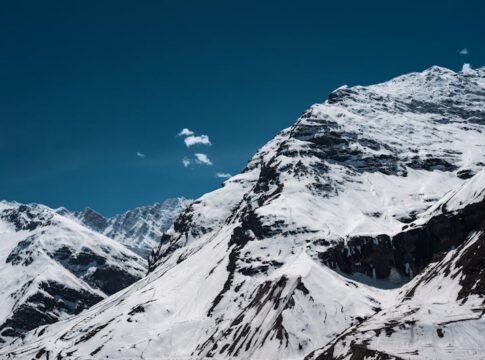
Doddabetta Peak, the highest point in Tamil Nadu’s Nilgiri Hills and a major tourist attraction, is grappling with severe overcrowding during the ongoing summer festival season. Conservationists have voiced strong concerns over the mounting pressure on the ecologically sensitive region, calling for immediate curbs to mitigate the impact on wildlife and the environment.
The influx of visitors, exacerbated by the festive period, has led to significant traffic congestion and strain on the peak’s infrastructure. This situation is not only affecting the visitor experience but also posing a threat to the region’s delicate ecosystem and its inhabitants.
Traffic Congestion and Ecological Strain
Conservationists highlight that the traffic snarls associated with the peak tourist season have a detrimental effect on the local wildlife and ecology. The area, which is home to a diverse range of endemic flora, has recently seen an increase in the presence of tigers, sloth bears, and even elephants utilizing the forest patches. The increased human activity and vehicular movement during peak times can disrupt wildlife corridors and their natural behavior.
N. Sadiq Ali, Founder of the Wildlife and Nature Conservation Trust (WNCT), pointed out that the congestion impacts the region’s sensitive ecology. He emphasized that the area is a habitat for a large number of endemic plant species, and the recent sightings of large mammals like tigers, sloth bears, and elephants underscore the importance of preserving this fragile environment.
Past Closures and Concerns
Doddabetta Peak has experienced closures in the past due to various reasons, including the presence of wild elephants and the need for road repairs. In May 2025, the peak was closed for tourists due to an elephant’s presence in the vicinity, prompting forest department personnel to monitor and manage the animal’s movement to ensure public safety. Earlier, in February 2019, the Forest Department had banned tourists from walking a two-kilometer stretch to the peak due to a rising gaur population, citing safety concerns and the potential for human-animal conflict.
In August 2019, the peak remained closed for over a month due to monsoon-related delays in road repair work, causing disappointment among tourists. Such periodic closures highlight the challenges in managing visitor numbers and maintaining the natural integrity of the site.
Calls for Sustainable Tourism Management
The recurring issues of overcrowding and the subsequent ecological strain have led to renewed calls for stricter regulations and a more sustainable approach to tourism at Doddabetta Peak. Conservationists advocate for measures such as limiting visitor numbers, implementing effective waste management systems, and promoting eco-friendly practices among tourists. The goal is to strike a balance between promoting tourism, which is vital for the local economy, and safeguarding the unique biodiversity of the Nilgiri Biosphere Reserve.
Doddabetta, meaning “Big Mountain” in the local Badaga language, is a significant geographical and cultural landmark. Its strategic location at the junction of the Western and Eastern Ghats offers panoramic vistas, making it a prime destination for nature lovers and photographers. However, its popularity now threatens the very environment that draws visitors. Authorities are urged to consider long-term strategies to manage the tourism flow, ensuring the preservation of Doddabetta’s natural heritage for future generations.
❤️ Support Independent Journalism
Your contribution keeps our reporting free, fearless, and accessible to everyone.
Or make a one-time donation
Secure via Razorpay • 12 monthly payments • Cancel anytime before next cycle


(We don't allow anyone to copy content. For Copyright or Use of Content related questions, visit here.)

The Chenab Times News Desk