


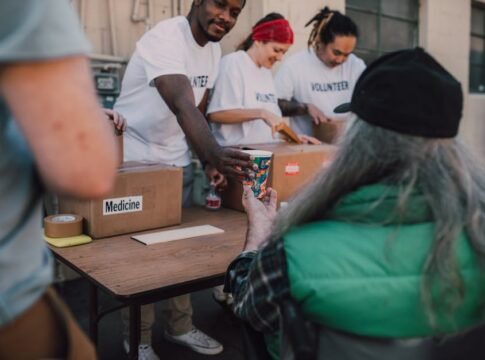
The Voluntary Medicare Society (VMS) in Srinagar has emerged as a cornerstone for rehabilitation services in Jammu and Kashmir, providing comprehensive care and fostering independence for thousands of individuals with severe disabilities since its inception in 1993. From assisting visually impaired students to navigate the digital world to rehabilitating patients with spinal cord injuries, VMS offers a spectrum of services aimed at restoring dignity, mobility, and purpose.
Pioneering Rehabilitation in Kashmir
Founded by Dr. Mir Mohammad Maqbool, the VMS was established to address the critical gap in rehabilitation services for persons with disabilities in the region. Recognizing that medical treatment alone was insufficient, the organisation was envisioned as a holistic medico-social institution. Information was available with The Chenab Times that the society operates from its main campus in Bemina, Srinagar, serving individuals with spinal cord injuries, visual impairments, neurological conditions, and developmental delays. Its mission extends beyond immediate treatment to encompass education, skill development, and long-term support for social reintegration, making it a vital support system for families across Jammu and Kashmir.
Over the decades, VMS has impacted the lives of over 70,000 patients, significantly improving their quality of life and mobility. The organisation has expanded its reach through sub-centres in Kargil, Leh, Kupwara, and Baramulla, ensuring that individuals in remote areas have access to essential services. A core principle of VMS is accessibility, with patients from below the poverty line receiving treatment free of charge, and others being charged minimal fees, underscoring a commitment to service over profit.
The Legacy of Dr. Maqbool and Khurshid Ahmad Malik
The institution’s foundational vision was laid by Dr. Mir Mohammad Maqbool, who understood the multifaceted needs of individuals facing disability. This vision was significantly bolstered by the contributions of Khurshid Ahmad Malik, a former IAS officer who became a wheelchair user after a severe road accident in 1987. Malik’s personal experience with spinal cord injury provided him with a profound understanding of the challenges faced by those with severe disabilities, lending moral force to his involvement with VMS. He was instrumental in developing the spinal injury vertical, which remains the only facility of its kind in Kashmir, offering extensive rehabilitation, physiotherapy, counselling, and community integration services.
Malik’s influence extended to fostering a culture of purpose and self-respect within VMS. His own example of disciplined, practical engagement with visible disability served as a model for both staff and patients, reinforcing the belief that disability does not negate agency or potential.
Comprehensive Care and Skill Development
The VMS campus in Bemina houses a range of specialised units designed to provide integrated care. The physiotherapy room offers guided exercises, while the assessment unit develops personalised treatment plans. Dedicated rehabilitation units, separate wards for men and women, and a mental health centre ensure comprehensive patient well-being. A fitness centre aids in rebuilding strength and mobility.
The Prosthetic and Orthotic Centre provides customised limbs, braces, and splints free of cost, crucial for regaining mobility and independence. The dialysis unit, equipped with 13 machines operating in three shifts, offers free dialysis, addressing a critical healthcare need. The neuro-rehabilitation unit provides specialised care for individuals recovering from neurological conditions.
Furthermore, the early intervention unit has achieved remarkable success in helping young children overcome developmental challenges. Many children, who might have faced lifelong limitations, have regained abilities such as walking through timely physiotherapy and guided exercises. The Shafqat Special School, established in 2000, caters to nearly 2,000 students with special needs, offering education in a stigma-free environment and preparing them for state board examinations.
Fostering Independence Through Livelihood and Digital Literacy
VMS uniquely links rehabilitation with livelihood opportunities. The skill development unit partners with organisations like Mumbai-based Karman to train patients in tailoring and handicrafts, enabling them to earn while recovering and preparing them for future financial stability. This approach addresses the vulnerability that can accompany disability by restoring a sense of contribution and reducing dependence.
The digital literacy lab is another forward-looking initiative, equipping visually impaired individuals with computer skills using assistive technologies. This program ensures that individuals with visual impairments can participate in examinations, assessments, and access digital resources independently. The centre also organised a #SeeAMillion Solutions Week in collaboration with EnAble India, showcasing assistive devices and inclusive technologies, promoting visibility and integration of people with visual impairments.
Future Expansion and Community Support
VMS is planning significant infrastructure expansion, including a new multi-speciality block developed in collaboration with the Jammu and Kashmir Hope and Health Foundation. This expansion aims to enhance treatment facilities, increase rehabilitation capacity, and accommodate more complex cases, thereby improving access to care. The institution emphasizes the need for sustained community engagement and volunteer support to realise these expansion plans, highlighting that continuity as a public institution, rather than a family-run setup, is crucial for its legacy.
The organisation’s commitment to health, mobility, and sport is evident in its gym facilities and wheelchair basketball training, promoting not just physical recovery but also the rebuilding of identity and confidence. The VMS continues to be a beacon of hope, demonstrating that with adequate infrastructure, patience, skill, and social commitment, lives can be transformed, and individuals with disabilities can achieve independence and lead fulfilling lives.
❤️ Support Independent Journalism
Your contribution keeps our reporting free, fearless, and accessible to everyone.
Or make a one-time donation
Secure via Razorpay • 12 monthly payments • Cancel anytime before next cycle


(We don't allow anyone to copy content. For Copyright or Use of Content related questions, visit here.)

The Chenab Times News Desk


 in Srinagar provides comprehensive rehabilitation services for individuals with disabilities in Jammu and Kashmir, focusing on dignity, mobility, and independence.)