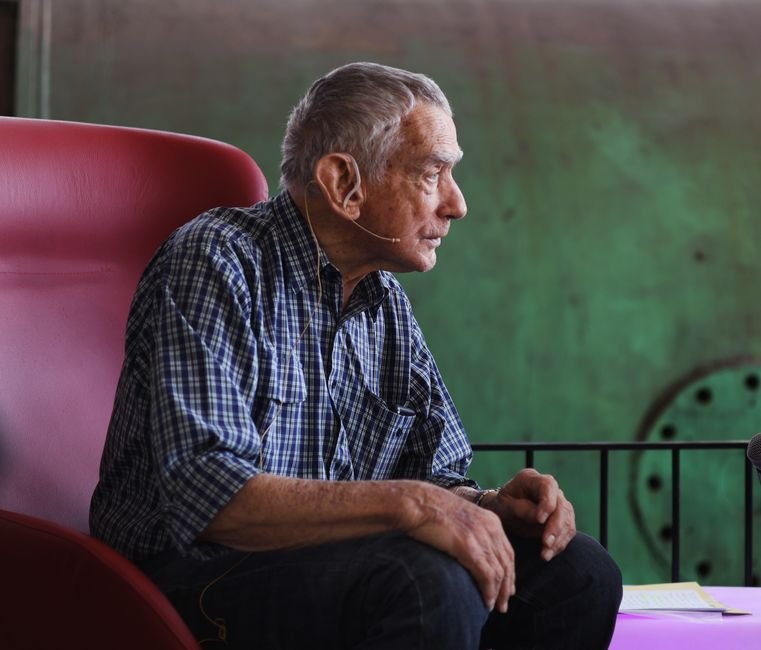
Andy Burnham officially took office as Britain’s Prime Minister on July 20, 2026, assuming leadership of the country without a general election mandate. He inherits a challenging economic landscape, a divided Labour Party, and complex international relationships, facing the immediate task of stabilising the nation.
Unelected Leader Takes Reins
The Chenab Times has learned that Andy Burnham’s ascent to Prime Minister marks a significant moment in recent British political history. He becomes the seventh Prime Minister in a decade, entering Downing Street following the resignation of Keir Starmer. Burnham secured the Labour leadership virtually unopposed after winning the Makerfield by-election just weeks prior. This transition, occurring without a national vote, places him in a unique position, with analysts noting he is the least scrutinised incoming UK Prime Minister in recent memory.
While critics point to his lack of a general election mandate, supporters highlight his three terms as Mayor of Greater Manchester as evidence of a direct electoral connection with the public. His supporters argue that his decade of experience in devolved governance, a style dubbed ‘Manchesterism,’ has prepared him to implement a community-first approach on a national scale.
Historical Precedents and Challenges
Britain’s constitutional framework does not mandate a prime minister to win a personal national vote; leadership typically passes to the individual who can command the confidence of the House of Commons. Historical precedent shows that approximately half of British Prime Ministers since World War II, including figures like Winston Churchill and Harold Macmillan, entered office mid-parliament without a fresh electoral mandate. Studies suggest that such leaders tend to be more successful when they act decisively and seek their own mandate relatively quickly.
Burnham faces the strategic choice of when to call a general election, with the next statutory deadline in 2029. This period could allow the Reform UK party, which has recently led Labour in opinion polls, to consolidate its support. Economic analysts note that Burnham inherits an economy with limited fiscal room and a prolonged period of low growth, suggesting that any initial uplift from a new leader may be short-lived unless living standards demonstrably improve.
Economic Agenda: Devolution and Re-industrialisation
Prime Minister Burnham’s core economic philosophy centres on the belief that over-centralisation has hindered British growth. In his initial policy statements, he outlined plans for a significant devolution of power to England’s regions, aiming to foster growth from the bottom up. His agenda includes a ten-year mission to elevate living standards through re-industrialisation, a substantial council housing construction program, efforts to make public transport more affordable, and reforms to privatised utilities.
The economic pressures on the middle class are significant, with reports indicating a doubling in missed direct-debit payments among this demographic since 2021. Speculation in Westminster suggests Burnham may consider new property taxes on high-value homes in London and the South East to fund investments in northern regions. Such a move could potentially impact the very middle-income earners he aims to support and may also lead to an exodus of wealthier residents from the capital, according to some commentators.
Foreign Policy Landscape
Burnham’s foreign policy experience is notably limited, primarily consisting of trade missions to China as mayor and engagement with international music festivals. His premiership begins at a critical juncture for Britain’s relationships with major global powers.
In relations with the United States, while Burnham has been critical of Donald Trump, his government is expected to maintain the post-Brexit strategy of diversifying away from over-reliance on Washington, while preserving the transatlantic security relationship and supporting Ukraine and NATO. Regarding China, his approach is anticipated to mirror the previous administration’s policy of economic engagement coupled with strategic caution on security matters.
Ties with India are viewed as stable, with the recent commencement of the India-UK Comprehensive Economic and Trade Agreement (CETA). Burnham has cultivated relationships with India through business and academic partnerships in Greater Manchester, and analysts anticipate continuity and growth in defence and trade cooperation.
On Europe, Burnham is expected to continue the gradual process of closer alignment with the European Union on security and trade matters, as initiated by his predecessor, while focusing his personal attention on domestic devolution. This approach aims to reset Britain’s relationship with the EU without reversing the decision to leave.
The Post-Brexit Economic Context
The impact of Brexit continues to shape Britain’s economic position. Official assessments suggest that Brexit will ultimately reduce UK productivity and trade volumes compared to continued EU membership. The narrative surrounding the 2016 referendum campaign remains a point of contention, with ongoing debate about the economic risks that were presented to the public.
Burnham inherits a nation where living standards have stagnated and public services have faced erosion since 2008. His administration faces the immediate challenge of demonstrating tangible improvements in the lives of citizens. Historical analysis suggests that his best opportunity for success lies in swift and clear action on devolution, housing, and cost-of-living support, thereby establishing a mandate earned through governance rather than electoral victory.
❤️ Support Independent Journalism
Your contribution keeps our reporting free, fearless, and accessible to everyone.
Or make a one-time donation
Secure via Razorpay • 12 monthly payments • Cancel anytime before next cycle


(We don't allow anyone to copy content. For Copyright or Use of Content related questions, visit here.)

The Chenab Times News Desk