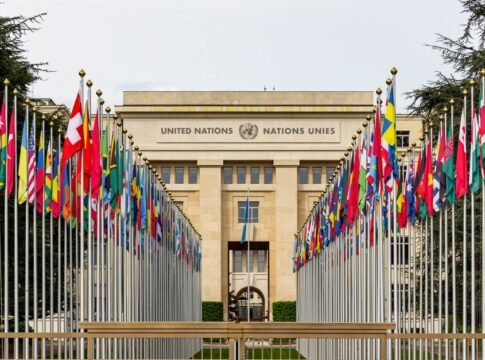
An international initiative is underway to develop standardized methodologies and metrics for assessing disaster risk and resilience, aiming to create a globally consistent baseline for understanding and addressing the impacts of natural hazards and climate change. The effort, primarily driven by the United Nations Office for Disaster Risk Reduction (UNDRR), seeks to enhance data-driven decision-making, mobilize finance for adaptation, and support countries in building more resilient infrastructure and communities.
Developing a Common Language for Risk
The core of this initiative involves creating common and open risk metrics that can be universally applied. This is crucial for aligning global finance with climate-resilient development goals, particularly in developing economies where adaptation finance gaps are widening. By providing a standardized approach, the project aims to facilitate a clearer assessment of climate-related physical risks, enabling financial institutions to conduct more robust scenario analyses and stress tests. This, in turn, could lead to more informed investment in adaptation measures and disaster risk reduction strategies.
According to details received by The Chenab Times, the UNDRR, in collaboration with partners such as the Coalition for Disaster Resilient Infrastructure (CDRI), is developing methodologies to help countries assess their current infrastructure resilience. This involves identifying gaps and formulating action plans to enhance resilience. The goal is to establish a shared understanding of disaster risk reduction (DRR) policies, regulations, and processes.
Global Frameworks Guiding the Initiative
This effort aligns with broader international frameworks, notably the Sendai Framework for Disaster Risk Reduction 2015-2030. The Sendai Framework itself emphasizes the adoption of measures that address the dimensions of disaster risk—exposure to hazards, vulnerability and capacity, and hazard characteristics—to prevent new risks, reduce existing ones, and increase resilience. It outlines seven global targets and four priorities for action, including understanding disaster risk, strengthening governance, investing in DRR, and enhancing preparedness for response and recovery.
The UN Plan of Action on Disaster Risk Reduction for Resilience, endorsed by the UN System Chief Executives Board for Coordination, also plays a significant role. This plan aims to ensure that the implementation of the Sendai Framework contributes to a risk-informed and integrated approach to achieving the 2030 Agenda for Sustainable Development. It underscores the importance of strengthening UN system capacity to deliver coordinated support to countries in DRR efforts.
Tools and Methodologies for Assessment
To support these objectives, various tools and methodologies are being developed or refined. The DELTA Resilience system, for instance, is an open-source toolkit designed to help countries track hazardous events and their human, economic, and non-economic impacts. It employs internationally aligned terminology and established methodologies for loss and damage assessment, aiming to turn data into actionable insights for decision-making. This system builds on previous efforts like DesInventar Sendai, offering a more comprehensive and standardized approach to disaster tracking.
Furthermore, the Disaster Resilience Scorecard for Cities, developed by UNDRR with support from various partners, provides local governments with a framework to assess their resilience. Structured around UNDRR’s Ten Essentials for Making Cities Resilient, the scorecard helps monitor progress in implementing the Sendai Framework and supports baseline analysis for DRR and resilience strategies. It offers scoring at both preliminary and detailed assessment levels, prompting cities to consider their specific hazards and risk scenarios.
The initiative recognizes that resilience is the ability of a system, community, or society exposed to hazards to resist, absorb, accommodate, adapt to, transform, and recover from the effects of a hazard in a timely and efficient manner. This definition, provided by UNDRR, highlights the multi-faceted nature of resilience, extending beyond mere resistance to encompass adaptation and transformation.
Driving Investment and Action
A key driver for developing these common metrics is the need to mobilize finance for adaptation and resilience-building. With estimated adaptation costs in developing countries far exceeding current public finance flows, a consistent and transparent evidence base is essential for attracting investment. Common risk metrics can provide a high-level screening of risk, acting as a proxy where detailed data is unavailable, and can facilitate the assessment of projects and portfolios for infrastructure financing.
The work on risk and resilience metrics is not confined to infrastructure alone. It also extends to understanding systemic risks, social impacts, and the intersection of climate change, conflict, and socioeconomic stressors, as demonstrated in UNDRR’s work in countries like Somalia and Guatemala. By fostering a shared understanding of how these complex risks intersect, the aim is to inform more integrated and effective development and humanitarian planning.
❤️ Support Independent Journalism
Your contribution keeps our reporting free, fearless, and accessible to everyone.
Or make a one-time donation
Secure via Razorpay • 12 monthly payments • Cancel anytime before next cycle


(We don't allow anyone to copy content. For Copyright or Use of Content related questions, visit here.)

The Chenab Times News Desk