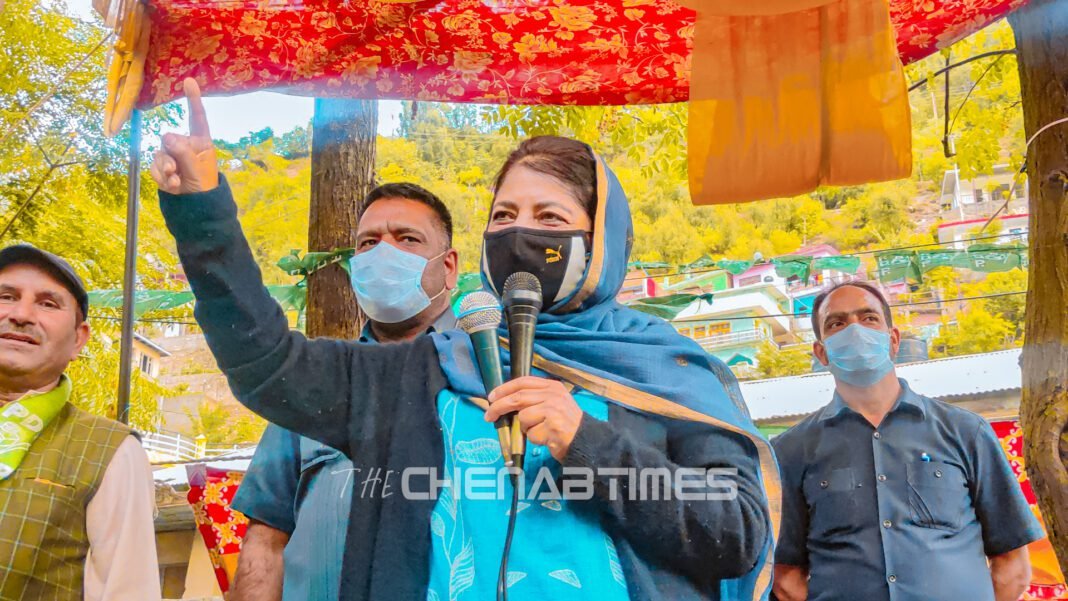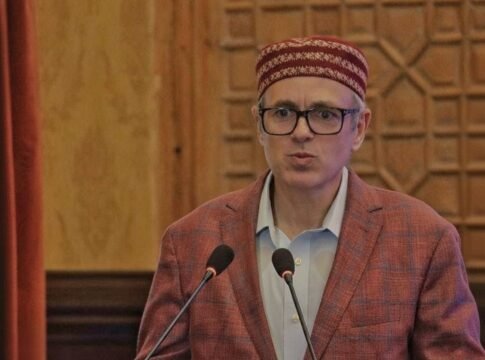
Srinagar: Omar Abdullah, Chief Minister of Jammu and Kashmir, hoisted the national flag at the Bakshi Stadium in Srinagar on Friday, marking India’s Independence Day. He was the first elected Chief Minister in eight years to preside over the main Independence Day function in the region. The last time an elected Chief Minister led the Independence Day celebrations in Srinagar was in 2017, when Mehbooba Mufti, the then Chief Minister and PDP president, performed the honours.
Context of Political Transition
The political landscape in Jammu and Kashmir underwent significant changes following the fall of the PDP-BJP coalition government in June 2018. This led to the imposition of Governor’s rule, and subsequently, Jammu and Kashmir was reorganized into two Union Territories in August 2019. This reorganization followed the abrogation of Article 370, which had granted special status to the erstwhile state within the Indian constitution.
Following the reorganization, the Lieutenant Governor assumed the role of presiding over Independence Day functions from 2020 to 2024. The recent assembly elections, held towards the end of the previous year, resulted in Omar Abdullah becoming the Chief Minister of the Union Territory of Jammu and Kashmir. His participation in the Independence Day ceremony signifies a return to elected leadership at the forefront of such state-level events.
The Chief Minister inspected the contingents participating in the parade after unfurling the tricolour. He was also given a guard of honour. The parade included contingents from various wings of the Jammu and Kashmir police, Central Armed Paramilitary Forces, and school children. Cabinet colleagues of Chief Minister Abdullah presided over similar Independence Day functions in Jammu, the winter capital, and other district headquarters across the Union Territory.
Historical Significance of Bakshi Stadium
Bakshi Stadium, the venue for the main Independence Day function, is named after Bakshi Ghulam Mohammad, who served as the Prime Minister of Jammu and Kashmir in 1953. The stadium has historically been the site for significant official ceremonies in Srinagar. The presence of an elected Chief Minister leading the event underscores a return to democratic governance in the region.
The security arrangements for the event were robust, with personnel from the Jammu and Kashmir police and Central Reserve Police Force maintaining a strong presence. Armoured vehicles and ambulances were also stationed near the stadium to ensure the safety and security of the attendees and the public.
The celebrations on this Independence Day also marked a period of transition for Jammu and Kashmir, with an elected government now actively participating in key state events. The return of elected leadership to the forefront of such ceremonies is seen as a positive development for the region’s democratic framework. The event concluded with the inspection of the parade and the national anthem, reinforcing the spirit of national pride and unity.
❤️ Support Independent Journalism
Your contribution keeps our reporting free, fearless, and accessible to everyone.
Or make a one-time donation
Secure via Razorpay • 12 monthly payments • Cancel anytime before next cycle


(We don't allow anyone to copy content. For Copyright or Use of Content related questions, visit here.)

The Chenab Times News Desk