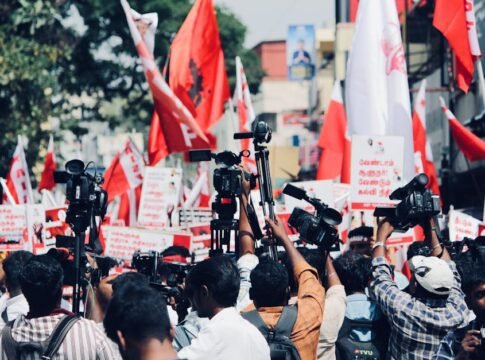
Tambaram, a constituency traditionally held by the Dravida Munnetra Kazhagam (DMK), is experiencing significant political flux following the party’s decision to drop incumbent MLA S R Raja. This move has triggered internal dissent within the DMK ranks and presented a clear opportunity for rival parties, particularly the All India Anna Dravida Munnetra Kazhagam (AIADMK), to challenge the established order.
Information was available with The Chenab Times indicating that the exclusion of S R Raja, a two-term MLA who had represented the Tambaram constituency, has led to disquiet among his supporters. The DMK faces the immediate challenge of mending internal fences and consolidating its base ahead of the upcoming electoral contest, as the opposition seeks to capitalize on this perceived vulnerability.
The AIADMK is reportedly preparing to leverage this internal churn within the DMK. Sources within the opposition party suggest that they are actively assessing the political landscape in Tambaram, with a view to nominating a strong candidate who can benefit from any voter dissatisfaction. The party aims to reclaim a constituency that has largely remained loyal to the DMK in recent electoral cycles.
Beyond the traditional Dravidian parties, the Makkal Needhi Maiam (MNM) and the Naam Tamilar Katchi (NTK) are also positioning themselves to gain traction. While the MNM often appeals to urban voters seeking an alternative to the established political narratives, the NTK typically mobilizes support based on nationalist and cultural platforms. Both parties are likely to attempt to tap into voter fatigue and address specific urban concerns such as infrastructure, public transport, and civic amenities that resonate with the electorate in Tambaram.
The political dynamics in Tambaram are being closely watched as a bellwether for broader electoral trends in the region. The DMK’s ability to manage the fallout from S R Raja’s exit and ensure party unity will be crucial. Simultaneously, the opposition’s success will hinge on their capacity to present a cohesive and compelling alternative that addresses the aspirations of the local populace.
The selection of the DMK candidate for Tambaram will be a critical decision for the party leadership. Any misstep in this regard could further alienate segments of the local cadre and electorate. The DMK has historically relied on strong local leadership and grassroots mobilization, and any disruption to these factors could have electoral consequences. The party’s strategy will likely involve a careful balancing act between appeasing internal factions and projecting an image of strength and unity to the voters.
The AIADMK, on the other hand, will be keen to present itself as a viable alternative. The party’s electoral fortunes in recent times have been inconsistent, and regaining ground in constituencies like Tambaram would be a significant boost. Their campaign is expected to focus on their past governance record and a critique of the incumbent government’s performance, aiming to connect with voters who may be disillusioned with the current administration.
The upcoming election in Tambaram is thus poised to be a closely contested affair, characterized by intricate political maneuvering and a heightened focus on local issues. The shifting loyalties and strategic calculations of various political actors underscore the fluid nature of electoral politics and the constant quest for electoral advantage. The outcome in Tambaram is likely to be influenced by a complex interplay of party loyalty, candidate appeal, and the broader socio-economic concerns of the electorate.
❤️ Support Independent Journalism
Your contribution keeps our reporting free, fearless, and accessible to everyone.
Or make a one-time donation
Secure via Razorpay • 12 monthly payments • Cancel anytime before next cycle


(We don't allow anyone to copy content. For Copyright or Use of Content related questions, visit here.)

The Chenab Times News Desk