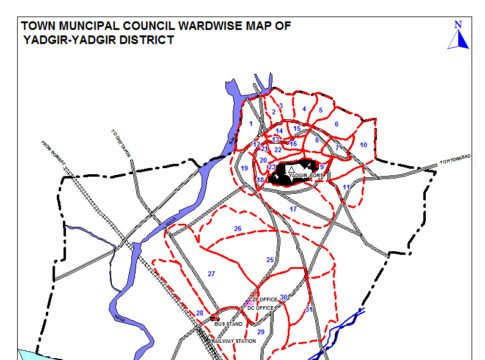
KARNATAKA: Following a prolonged dry spell that has impacted the region, Karnataka Revenue Minister Sharan Prakash Patil convened a high-level meeting to assess the prevailing drought conditions and the resultant drinking water crisis in Yadgir district.
The Chenab Times has learned that Minister Patil issued directives to officials from the Revenue and Agriculture Departments, emphasizing the urgent need for a comprehensive report detailing crop damage. This report is crucial for the district administration to promptly initiate relief measures for affected farmers and communities.
During the review meeting, Minister Patil stressed the importance of accurate data collection to understand the extent of the crisis. He instructed the officials to assess the immediate needs of the populace, particularly concerning access to potable water, and to devise strategies to mitigate the hardship caused by the scarcity.
The prolonged dry weather has significantly affected agricultural activities in Yadgir, a district heavily reliant on rain-fed farming. Crop yields have reportedly diminished, leading to financial distress among the farming community. The minister’s directive for a crop damage report is a preliminary step towards providing financial assistance and other forms of relief.
Furthermore, the scarcity of drinking water has become a pressing concern for both rural and urban populations in Yadgir. Reports indicate that groundwater levels have receded considerably, impacting traditional water sources and borewells. The minister’s review meeting aimed to explore immediate and long-term solutions to ensure a steady supply of drinking water.
Minister Patil also directed the concerned departments to explore alternative water sources and to expedite the repair and maintenance of existing water supply infrastructure. The meeting underscored the government’s commitment to addressing the challenges posed by the drought and ensuring the welfare of its citizens.
The minister urged officials to work in coordination and to be proactive in their approach to disaster management, particularly in drought-prone areas. The feedback from the ground level is expected to guide the formulation of effective policies and the allocation of necessary resources to combat the ongoing water crisis and agricultural losses.
❤️ Support Independent Journalism
Your contribution keeps our reporting free, fearless, and accessible to everyone.
Or make a one-time donation
Secure via Razorpay • 12 monthly payments • Cancel anytime before next cycle


(We don't allow anyone to copy content. For Copyright or Use of Content related questions, visit here.)

The Chenab Times News Desk