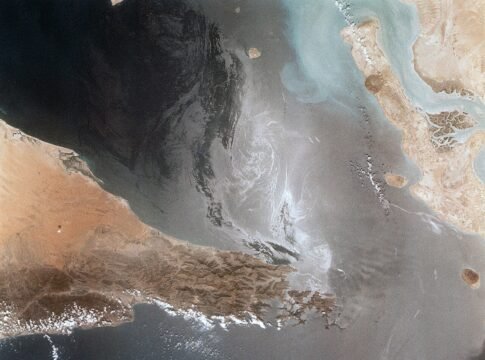
Iran’s Islamic Revolutionary Guard Corps (IRGC) Navy announced on Monday, April 6, 2026, that the Strait of Hormuz has undergone irreversible strategic changes and will never return to its previous status, particularly for the United States and Israel. The IRGC stated that the era of foreign hegemony over this critical waterway is over and that recent regional developments have established a new reality where the U.S. can no longer dictate terms in Iran’s maritime environment.
The IRGC Navy is reportedly in the final stages of operational preparations for what Iranian officials have described as a “new order for the Persian Gulf,” aiming to exclude what it considers hostile actors. This declaration comes amid escalating tensions following joint military strikes by the United States and Israel on Iran, which reportedly led to the killing of Iran’s Supreme Leader Ayatollah Ali Khamenei on February 28, 2026. Iran has responded with retaliatory drone and missile strikes targeting Israel and U.S. interests across the region.
The situation has led to significant disruptions in global shipping. Iran has restricted movement through the Strait of Hormuz, a vital chokepoint for global energy trade, since the conflict began, affecting nearly 20 percent of global oil and gas supply. Tanker traffic reportedly dropped dramatically, with some sources indicating it fell to near zero at certain points. This disruption has impacted not only energy markets but also global food security, as major fertilizer exports also pass through the strait.
The IRGC’s statements followed renewed threats from U.S. President Donald Trump, who had previously set deadlines for Iran to reopen the Strait or face severe consequences, including strikes on Iranian infrastructure. Trump had also expressed optimism about potential deals to resolve the situation, though Iran has rejected deadlines and pressure, asserting that it will not reopen the Strait for a temporary ceasefire and is demanding compensation for war damages.
Iranian lawmakers have also suggested imposing transit fees and taxes on ships passing through the Strait of Hormuz. A draft law reportedly includes passage fees in Iran’s national currency, a ban on transit for the U.S. and Israel, and restrictions for countries participating in sanctions against Iran.
The Strait of Hormuz, a narrow maritime passage connecting the Persian Gulf to the Gulf of Oman, is critically important as it serves as the sole export route for many of the world’s largest oil producers. It is estimated that 20% to 21 million barrels of oil per day, representing approximately 20% of global oil consumption and 25% to 30% of global seaborne oil trade, pass through this waterway. Its strategic importance extends beyond oil, influencing global energy security and financial markets due to the immediate impact of any disruption on oil prices and insurance premiums.
❤️ Support Independent Journalism
Your contribution keeps our reporting free, fearless, and accessible to everyone.
Or make a one-time donation
Secure via Razorpay • 12 monthly payments • Cancel anytime before next cycle


(We don't allow anyone to copy content. For Copyright or Use of Content related questions, visit here.)

Global Affairs Desk at The Chenab Times covers international developments, global diplomacy, and foreign policy issues through fact-based reporting, explainers, and analytical pieces. The desk focuses on major geopolitical events, diplomatic engagements, and international trends, with an emphasis on verified information, multiple perspectives, and contextual understanding of global affairs.