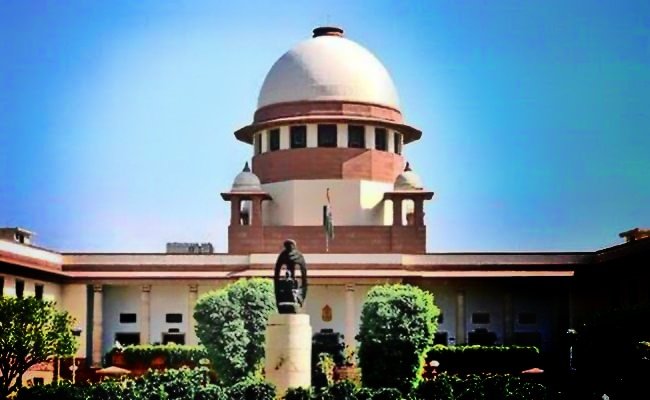
A petition has been filed in the Supreme Court of India urging the court to take immediate steps to secure digital evidence related to allegations of embezzlement concerning funds collected for the Ram Temple in Ayodhya. The petitioner expressed concern that crucial digital records might be lost or tampered with if not preserved promptly.
Information was available with The Chenab Times that the apex court’s registry previously informed the petitioner that the matter would be listed for hearing only after the summer vacation concludes on July 12. This delay has heightened the urgency for intervention to safeguard potential evidence.
The allegations revolve around the collection and management of funds designated for the construction and development of the Ram Temple in Ayodhya, a project of significant national and religious importance. While the exact nature of the alleged embezzlement has not been detailed in the initial mention, the plea emphasizes the critical need to preserve digital footprints, which often form the backbone of financial investigations.
Digital evidence, such as electronic communications, transaction records, and accounting data, is notoriously volatile. Without proper forensic preservation, it can be easily altered, deleted, or become inaccessible, potentially hindering any future investigation or legal proceedings. The petitioner’s plea highlights this vulnerability and seeks the court’s directive to ensure the integrity of these records.
The Supreme Court, as the highest judicial authority in the country, is often approached in matters of significant public interest and legal importance. The petition’s submission underscores the gravity with which alleged financial impropriety, particularly concerning a project of national resonance, is viewed. The urgency expressed by the petitioner indicates a fear that the passage of time could render the evidence useless.
Legal experts note that securing digital evidence early in a case is a standard and crucial procedural step. This often involves court orders for data preservation, forensic imaging of devices, and strict access controls. The petitioner’s reliance on the Supreme Court suggests a belief that the matter requires the highest judicial oversight to ensure fairness and prevent any miscarriage of justice.
The Ram Temple project itself has been a focal point of political and social discourse in India. While the construction is progressing, any allegations of financial irregularities, especially concerning public contributions, are likely to draw significant attention. The court’s intervention, if granted, would aim to establish the facts and ensure accountability, irrespective of the scale of the alleged misappropriation.
The petition’s mention of the Registry’s response indicates that the court is aware of the pending matter, but the scheduling of hearings post-vacation poses a challenge to the petitioner’s immediate objective of evidence preservation. This situation often leads to advocates filing interim applications or seeking urgent directions from the vacation bench if the matter is deemed critical enough to warrant immediate attention outside the regular roster.
The implications of the court’s eventual decision on this petition could extend beyond the specific allegations. It could set a precedent for how digital evidence is handled in sensitive cases involving public funds and national projects. The emphasis on securing evidence before it is ‘quietly lost’ reflects a common concern in digital forensics and legal proceedings, where timely action is paramount.
As the case awaits further judicial consideration, the focus remains on the Supreme Court’s role in ensuring that all avenues for truth and accountability are protected. The plea to secure digital evidence is a testament to the evolving nature of evidence in the digital age and the critical role of the judiciary in navigating these complexities.
❤️ Support Independent Journalism
Your contribution keeps our reporting free, fearless, and accessible to everyone.
Or make a one-time donation
Secure via Razorpay • 12 monthly payments • Cancel anytime before next cycle


(We don't allow anyone to copy content. For Copyright or Use of Content related questions, visit here.)

The Chenab Times News Desk