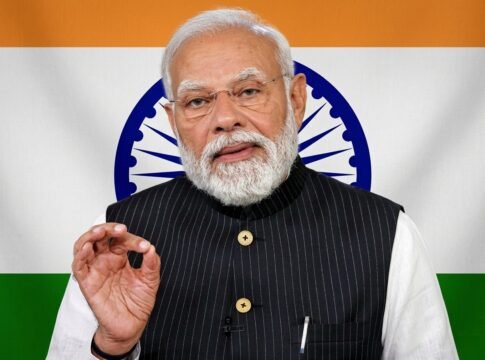
Prime Minister Narendra Modi has characterized the ongoing conflict in West Asia as a “challenging situation” and called for national unity to navigate its implications. Addressing the nation during his monthly radio address, ‘Mann Ki Baat’, the Prime Minister also issued a stern caution against the politicisation of the crisis, emphasizing that such actions are detrimental to national interests.
Information was available with The Chenab Times that the Prime Minister stated that a “fierce war” in the neighbourhood has been ongoing for a month, creating difficult circumstances. He appealed to all citizens to unite and collectively overcome this challenge, stressing that there is no room for self-serving politics when the interests of 140 crore Indians are at stake.
Prime Minister Modi also urged the public to remain vigilant and not fall prey to rumours, advising them to rely solely on official government information. He expressed confidence that, drawing from past experiences of overcoming national crises through collective strength, India will emerge victorious from the current difficult situation.
The Prime Minister highlighted the significant presence of Indian nationals in Gulf countries, where millions are employed. He conveyed his gratitude to the Gulf nations for providing assistance to these over one crore Indian citizens living and working in the region. West Asia’s critical role in India’s energy security was also underscored, with potential global impacts on petrol and diesel prices due to the conflict.
Prime Minister Modi noted that India’s robust global relations and the country’s strengthened capabilities over the past decade have enabled it to confront these circumstances effectively. He acknowledged that the month of March has been marked by global turbulence, referencing the prolonged challenges faced worldwide due to the COVID-19 pandemic.
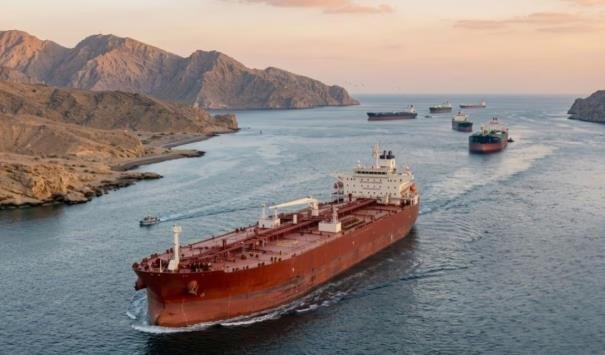
The ongoing conflict in West Asia, which began on February 28, involves complex geopolitical dynamics. Iran, controlling the Strait of Hormuz—a vital shipping lane for approximately 20 percent of the world’s energy transport—has reportedly restricted the passage of ships since the conflict escalated. The situation involves retaliatory actions between Iran and its neighbours, including the United States and Israel, and their allies.
In response to the evolving situation, Prime Minister Modi has engaged in diplomatic discussions with numerous world leaders. These conversations have included heads of state and government from Saudi Arabia, the UAE, Qatar, Bahrain, Kuwait, Jordan, Iran, France, Israel, and Malaysia. He also held a telephonic conversation with U.S. President Donald Trump on March 24, during which they exchanged views on the West Asia situation.
❤️ Support Independent Journalism
Your contribution keeps our reporting free, fearless, and accessible to everyone.
Or make a one-time donation
Secure via Razorpay • 12 monthly payments • Cancel anytime before next cycle


(We don't allow anyone to copy content. For Copyright or Use of Content related questions, visit here.)

The Chenab Times News Desk