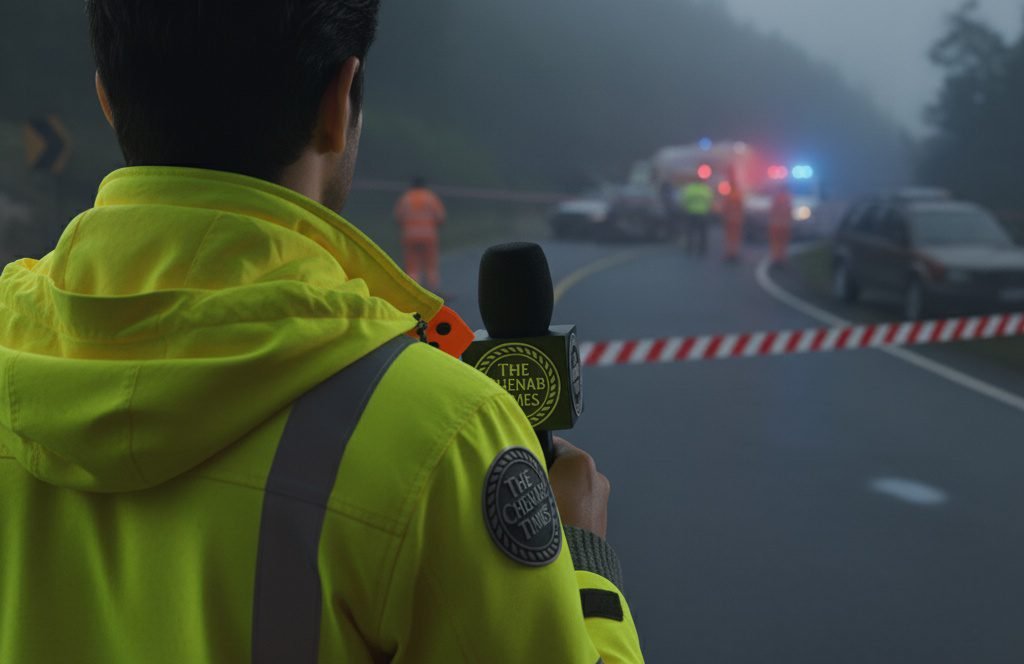
Himachal Pradesh has emerged as the second highest state in the country for drug trafficking-related cases for two consecutive years, reflecting a persistent and concerning rise in the drug menace within the state.
Information was available with The Chenab Times indicating that as per the National Crime Records Bureau (NCRB) report for 2024, the state recorded a crime rate of 17.2 drug trafficking cases per lakh population. This places it just behind Punjab, which reported the highest rate of 19.6 cases per lakh population for the same period.
The state had also secured the second position in drug trafficking offences in 2023, underscoring a sustained trend of high incidence in these criminal activities.
The NCRB data further revealed that in 2024, Himachal Pradesh registered a total of 1,715 cases under the Narcotic Drugs and Psychotropic Substances (NDPS) Act, 1985. This equates to 22.8 cases per lakh population, positioning the state fourth nationally in the total number of NDPS Act cases per lakh population. It trails behind Kerala, Punjab, and Mizoram, which reported rates of 75.5, 29, and 27.2 cases per lakh population, respectively.
The national average for cases registered under the NDPS Act stands at 7.8 cases per lakh population, highlighting Himachal Pradesh’s significantly higher rate.
Of the total NDPS Act cases in Himachal Pradesh, 1,292 were specifically related to the possession of drugs for trafficking purposes. An additional 423 cases involved the possession of drugs for personal consumption.
In addition to NDPS Act violations, Himachal Pradesh also recorded 4,627 cases under liquor and narcotic drugs-related Acts. This amounts to 61.5 cases per lakh population for these offences, making it the ninth highest in the country.
The sustained high ranking in drug trafficking cases points to the ongoing challenges faced by Himachal Pradesh in combating the pervasive issue of drug abuse and illicit trade. This situation impacts public health, social stability, and the state’s overall development trajectory.
The rise in drug-related crime not only affects the individuals directly involved but also has wider ramifications for communities, including increased involvement in other criminal activities and strain on law enforcement and healthcare resources. Authorities have been implementing various strategies, including enhanced surveillance and awareness campaigns, to curb the drug menace. However, the persistent high numbers suggest a need for intensified and multifaceted approaches to address the root causes and supply chains of drug trafficking.
The NCRB report serves as a critical indicator for policymakers and law enforcement agencies to assess the effectiveness of current strategies and to formulate more robust interventions. The data highlights the critical need for sustained efforts in prevention, enforcement, and rehabilitation to tackle the drug problem effectively across the state and the nation.
❤️ Support Independent Journalism
Your contribution keeps our reporting free, fearless, and accessible to everyone.
Or make a one-time donation
Secure via Razorpay • 12 monthly payments • Cancel anytime before next cycle


(We don't allow anyone to copy content. For Copyright or Use of Content related questions, visit here.)

The Chenab Times News Desk