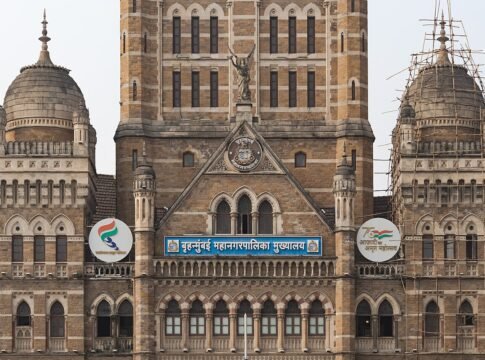
As Mumbai grapples with an intensifying water crisis and soaring temperatures, the Brihanmumbai Municipal Corporation (BMC) has embarked on a significant initiative to rejuvenate the city’s historically important, yet neglected, lakes. The project, which focuses on waterbodies like Bhujale Talao and Kamal Talao in the western suburbs, aims to restore them as vital sources of potable water, enhance urban biodiversity, and create much-needed green spaces for citizens.
The rejuvenation efforts are part of a larger plan encompassing nine lakes in North Mumbai, with the initial phase focusing on Bhujale Talao. This waterbody has already undergone significant desilting, with approximately 90 metric tonnes of silt removed from its bed. The project is being executed under a public-private partnership model, aiming to revive these lakes, improve their water quality, and transform them into recreational areas with walking tracks and gardens. Union minister and North Mumbai MP Piyush Goyal has inspected these sites, emphasizing their role as ‘lungs for Mumbai’ that will help control pollution and improve the overall environmental condition of the areas.
Reviving Mumbai’s Water Security
Historically, these lakes served as crucial water sources for areas like Malad and Kandivali before extensive urbanization. Their revival is seen as a critical step in bolstering Mumbai’s water security, especially during periods of heatwaves and potential monsoon delays. The initiative aligns with broader concerns about the city’s vulnerability to climate extremes, including water scarcity and the urban heat island effect. Experts suggest that the restoration of natural lakes can act as heat sinks, moderating local temperatures and mitigating the impact of urban development on the microclimate.
The BMC’s plan extends beyond just desilting; it involves a comprehensive approach to beautification and developing the lake precincts into accessible public spaces. The broader project aims to upscale the city’s urban infrastructure by integrating these rejuvenated water bodies into the urban landscape, making open spaces more accessible and improving the quality of life for residents.
Addressing Environmental Degradation
Several of Mumbai’s lakes have suffered from severe environmental degradation over the years. Issues such as sewage ingress, accumulation of silt and garbage, and the invasion of invasive species like water hyacinths have plagued these water bodies. For instance, Powai Lake, a historically significant reservoir, has faced challenges including untreated sewage discharge, a substantial water hyacinth cover, and solid waste accumulation, leading to a decline in its water quality and biodiversity.
In response to these challenges, the BMC has undertaken various measures, including the establishment of sewage treatment plants and diversion of sewage lines, alongside intensive efforts to remove water hyacinths. However, concerns have also been raised regarding the methods used in cleaning, with advisories issued to protect aquatic life and nesting sites of birds during rejuvenation activities. The involvement of bodies like the Bombay Natural History Society (BNHS) highlights the need for environmentally sensitive restoration practices.
Multi-Stakeholder Approach to Restoration
The rejuvenation of Mumbai’s lakes is being pursued through a multi-stakeholder approach, involving public-private partnerships and community engagement. Various organizations and foundations are collaborating with the BMC to fund and execute these projects. Studies have been conducted to assess the specific conditions of individual lakes, identifying tailored interventions required for their revival. These studies often involve detailed surveys, chemical analyses, and site visits to determine the scope of work, ranging from low-cost greening and water quality sensor installation to more extensive measures like sewage treatment plant establishment and redesigning public spaces.
The project also acknowledges the importance of citizen participation and CSR involvement in the long-term sustainability of these water bodies. The aim is not only to restore the ecological health of the lakes but also to foster a sense of community stewardship for these vital urban ecosystems. The success of these initiatives is crucial for enhancing Mumbai’s resilience against climate change impacts and ensuring a sustainable water future for its burgeoning population.
❤️ Support Independent Journalism
Your contribution keeps our reporting free, fearless, and accessible to everyone.
Or make a one-time donation
Secure via Razorpay • 12 monthly payments • Cancel anytime before next cycle


(We don't allow anyone to copy content. For Copyright or Use of Content related questions, visit here.)

The Chenab Times News Desk