Pune, Maharashtra – Union Minister for Road Transport and Highways, Nitin Gadkari, has announced the commencement of three significant elevated road corridor projects in Pune district, aimed at alleviating the city’s severe traffic congestion. The projects, which include the Pune-Shirur, Hadapsar-Yavat, and Talegaon-Chakan-Shikrapur corridors, will employ advanced Ultra High Performance Fibre Reinforced Concrete (UHPFRC) technology, a method developed and utilized in Malaysia. This technological adoption is expected to enable longer spans between support pillars, thereby reducing the number of pillars required and consequently lowering construction costs and time.
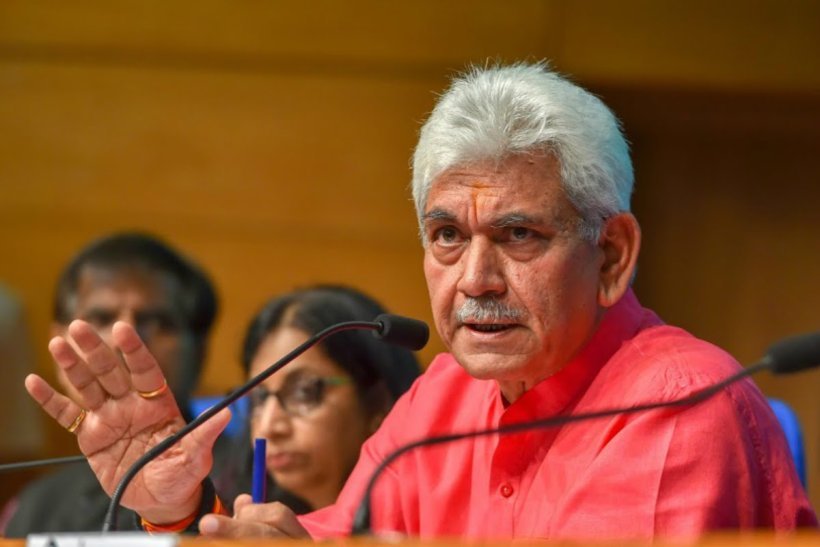
The foundation stones for these crucial infrastructure developments were laid on Saturday, marking a significant step towards enhancing connectivity and easing the chronic traffic woes that plague Pune. Union Minister Nitin Gadkari, accompanied by Maharashtra Chief Minister Devendra Fadnavis and Deputy Chief Minister Sunetra Pawar, presided over the ceremony. Gadkari highlighted that Pune is among the most traffic-congested cities in India, contributing to increased pollution levels. He noted that existing highways connecting Pune to neighboring cities have exceeded their capacity, leaving little room for expansion.
The three elevated corridors, to be executed by the Maharashtra State Road Development Corporation (MSRDC), will cover some of the most congested routes. The Pune-Shirur corridor will span 53.40 km and has been sanctioned at Rs 7,515 crore. The Hadapsar-Yavat corridor will cover 31.65 km, with an estimated cost of Rs 5,262 crore. The Talegaon-Chakan-Shikrapur corridor will be 53.2 km long, with an estimated cost of Rs 5,200 crore. Together, these projects represent a substantial investment in the region’s infrastructure.
Technological Advancements for Enhanced Road Construction
The integration of Malaysian UHPFRC technology is a key feature of these projects. Traditionally, elevated roads have a maximum span of 30 meters between pillars. However, Gadkari explained that the UHPFRC technology allows for spans of up to 120 meters. This significant increase in span length means fewer pillars are needed, which not only reduces material costs but also minimizes the physical footprint of the infrastructure, potentially allowing for more integrated multi-modal transport systems.
The adoption of this technology aligns with the government’s push for modern and cost-effective construction methods. Similar applications of UHPFRC have been observed in Malaysia for highway bridges, where it has proven effective in creating longer, more durable, and lighter structural designs. In India, Union Minister Gadkari has previously advocated for this technology, citing its potential to save costs and improve construction efficiency. For instance, it has been reported that the use of this technology in metro projects has already led to substantial cost savings.
Broader Infrastructure Development in Pune Region
Beyond these three corridors, Union Minister Gadkari also revealed plans for a Rs 6,000-crore elevated road for the Ravet-Narhe stretch, with its Detailed Project Report (DPR) nearing completion. He also announced a new Rs 10,000-crore expressway project aimed at reducing travel time between Mumbai and Bengaluru to five hours, which will bypass congested areas like Panvel and Navi Mumbai. Furthermore, a Rs 15,000-crore corridor from Shirur to Chhatrapati Sambhajinagar is under development, which is expected to significantly cut travel times between these cities.
In total, road projects worth approximately Rs 50,000 crore have been sanctioned for the Pune district through the National Highways Authority of India (NHAI) this year. These extensive projects aim to decongest the city’s roads and enhance overall transportation efficiency. The projects are being implemented under various models, including the Build-Operate-Transfer (BOT) and Public-Private Partnership (PPP) frameworks, with toll collection proposed for some of these new routes.
The MSRDC will be executing these projects, with a focus on integrating future Metro line requirements into the design of the road viaducts, ensuring the infrastructure is future-ready. This comprehensive approach to infrastructure development underscores Pune’s position as a growing economic hub and the government’s commitment to improving urban mobility and connectivity.
❤️ Support Independent Journalism
Your contribution keeps our reporting free, fearless, and accessible to everyone.
Or make a one-time donation
Secure via Razorpay • 12 monthly payments • Cancel anytime before next cycle


(We don't allow anyone to copy content. For Copyright or Use of Content related questions, visit here.)

The Chenab Times News Desk