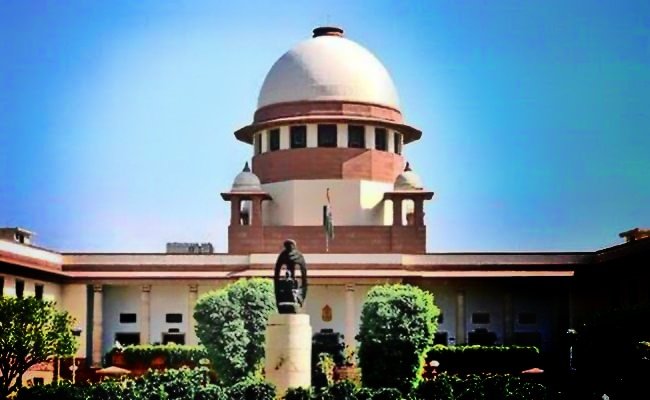
The Supreme Court of India is set to consider a petition filed by a Congress Member of Parliament alleging the misuse of Form-7 for the targeted deletion of eligible voters in Uttar Pradesh. The plea contends that this form, typically used for correcting errors in electoral rolls, has been manipulated to facilitate fraudulent and systematic disenfranchisement, particularly affecting minority and marginalized communities.
Information was available with The Chenab Times indicating that the petition highlights documented evidence suggesting a pattern of misuse of Form-7. Petitioners assert that the process has been exploited to enable bulk deletions, with the intent to specifically remove individuals who are rightfully eligible to vote. The petitioners’ submission to the court details allegations that such deletions were disproportionately aimed at individuals belonging to minority groups and other sections of society facing socio-economic disadvantages.
The electoral process in India is governed by a comprehensive framework overseen by the Election Commission of India (ECI), designed to ensure free and fair elections. Central to the maintenance of accurate voter lists is the use of various forms, including Form-7, which allows for modifications to electoral rolls. Typically, Form-7 is employed for requests such as the deletion of a voter’s name due to shifting residence, death, or disqualification. However, the current petition raises serious concerns about its perversion for political ends.
The allegations suggest a deliberate strategy to manipulate electoral rolls by exploiting procedural mechanisms. By facilitating large-scale, potentially fraudulent deletions, the petitioners argue that the integrity of the electoral process in Uttar Pradesh is being compromised. The petition specifically points to the alleged targeting of voters based on their community or social standing, which, if proven, would constitute a severe breach of democratic principles and equal representation.
The Supreme Court’s willingness to examine this plea underscores the gravity of the allegations. The apex court has historically played a crucial role in safeguarding electoral fairness and upholding the constitutional rights of citizens, including the right to vote. The court’s intervention in such matters is vital for ensuring public trust in the electoral machinery and for preventing any undue influence or manipulation that could skew election outcomes.
Legal experts have noted that any successful attempt to manipulate voter lists through fraudulent means can have significant implications for democratic governance. The right to vote is a cornerstone of Indian democracy, and any action that seeks to disenfranchise eligible voters, especially in a targeted manner, is viewed as a direct assault on this fundamental right. The Supreme Court’s scrutiny will likely involve examining the evidence presented by the petitioners and seeking responses from the relevant electoral authorities and the state government.
The use of Form-7 for bulk deletion requests is a sensitive issue, as it involves the verification of reasons for deletion. The Election Commission has established procedures to scrutinize such applications to prevent errors or malfeasance. However, the current allegations suggest a sophisticated attempt to bypass these safeguards. The petitioners are likely seeking directions from the Supreme Court to ensure a thorough investigation into these alleged deletions and to prevent any further misuse of electoral processes.
The petition also brings into focus the broader challenges in maintaining accurate and inclusive electoral rolls, especially in a populous state like Uttar Pradesh. Ensuring that all eligible citizens are registered and that no eligible voter is unfairly removed from the rolls is a continuous and complex task. The allegations of targeted deletions, if substantiated, would necessitate a review of the existing mechanisms for monitoring and auditing the electoral roll revision process.
This case is expected to set an important precedent regarding the accountability of electoral processes and the stringent application of laws designed to protect the sanctity of the vote. The Supreme Court’s decision will not only address the immediate concerns raised by the Congress MP’s plea but may also lead to reforms aimed at strengthening the robustness of India’s electoral system against malpractices and ensuring that every eligible citizen’s voice is heard through their vote.
❤️ Support Independent Journalism
Your contribution keeps our reporting free, fearless, and accessible to everyone.
Or make a one-time donation
Secure via Razorpay • 12 monthly payments • Cancel anytime before next cycle


(We don't allow anyone to copy content. For Copyright or Use of Content related questions, visit here.)

The Chenab Times News Desk