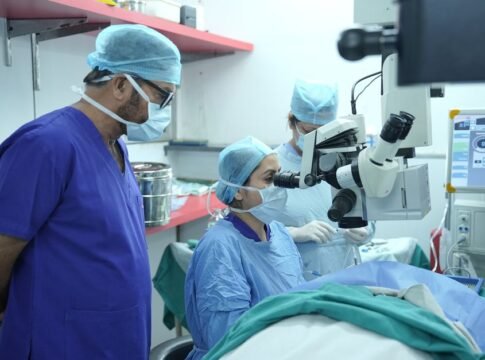
Caesarean section deliveries in Jammu and Kashmir have seen a significant increase, reaching 51 per cent of all births in the 2023-24 period. This marks a rise from the 41.7 per cent recorded in the 2019-21 period, according to data presented by the Union Health Ministry.
According to details received by The Chenab Times, the figures were formally shared by the Ministry of Health and Family Welfare during a session in the Rajya Sabha. The response, provided in reply to Unstarred Question No. 1893, was delivered by the Minister of State for Health and Family Welfare, Anupriya Patel, on August 4.
Data from the National Family Health Survey (NFHS-6) indicates that Jammu and Kashmir’s C-section rate stood at 51 per cent, a notable increase from the 41.7 per cent observed in NFHS-5. The trend is particularly pronounced in private healthcare facilities, where approximately 90 per cent of births were conducted via Caesarean section, an uptick from the 82.1 per cent reported in the previous survey. In contrast, government facilities reported a C-section rate of 48.6 per cent, up from 42.7 per cent in NFHS-5.
The rising rate of surgical births was a point of discussion in Parliament, highlighting concerns about the increasing reliance on Caesarean deliveries. The national average for C-section deliveries also saw an increase, climbing from 21.5 per cent in NFHS-5 to 27.2 per cent in NFHS-6. Similar to the pattern observed in Jammu and Kashmir, private facilities across the country recorded a substantially higher rate of C-section births compared to public health institutions.
In response to queries regarding measures to curb potential over-medicalisation and ensure that surgical births are performed only when medically necessary, the Health Ministry outlined a series of regulatory and monitoring initiatives implemented under the National Health Mission. These measures are designed to promote evidence-based practices and improve the quality of maternal healthcare services.
Among the implemented measures, CGHS-empanelled hospitals are now mandated to prominently display their ratio of Caesarean deliveries to normal deliveries. This aims to increase transparency and allow for better public scrutiny. Furthermore, the ministry has focused on strengthening data reporting mechanisms and enhancing monitoring systems to ensure accurate tracking of delivery procedures. A dedicated component for C-section audits has also been integrated into the National Quality Assurance Standards assessment checklist for maternity operation theatres in government hospitals. This initiative seeks to identify areas for improvement in surgical practices and patient care.
The Ministry also highlighted the role of ongoing training programs aimed at enhancing the skills of healthcare professionals involved in maternal care. Programs such as Daksh, Dakshta, Skilled Birth Attendant, and Nurse Practitioner Midwifery are being conducted to equip healthcare providers with the latest knowledge and techniques in obstetric care. These training initiatives are a part of broader efforts to improve the overall standard of maternal healthcare delivery across the country.
Further data from NFHS-6 indicates that institutional deliveries in Jammu and Kashmir constitute 93.6 per cent of all births, with a substantial 94.8 per cent of these deliveries attended by skilled health personnel. This suggests a strong foundation in terms of access to healthcare facilities and trained professionals for childbirth within the Union Territory.
❤️ Support Independent Journalism
Your contribution keeps our reporting free, fearless, and accessible to everyone.
Or make a one-time donation
Secure via Razorpay • 12 monthly payments • Cancel anytime before next cycle


(We don't allow anyone to copy content. For Copyright or Use of Content related questions, visit here.)

The Chenab Times News Desk