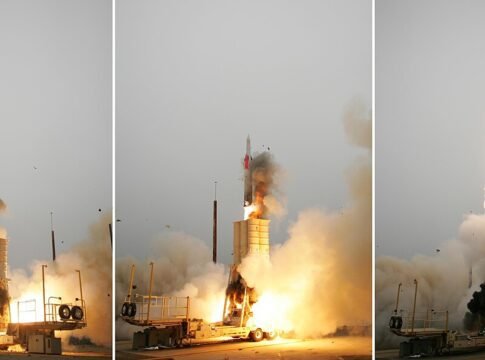
Israeli airstrikes on southern Lebanon on Saturday, August 15, 2026, resulted in the deaths of at least nine people, including three children. This marks some of the deadliest attacks since a fragile truce between Israel and the militant group Hezbollah went into effect on June 20.
According to Lebanon’s Health Ministry and the state news agency, one strike targeted a home on the outskirts of the village of Ansar, killing seven individuals, three of whom were children, and wounding two others. A second strike in the village of Deir al-Zahrani claimed the lives of two more people and injured nine.
The attacks occurred amidst ongoing tensions and a precarious ceasefire. A framework agreement announced on June 26 outlined a plan for Israeli forces to withdraw from southern Lebanon in exchange for the disarmament of Hezbollah. However, Hezbollah has not been a party to the agreement and has refused direct talks.
Lebanese Prime Minister Nawaf Salam condemned the airstrikes, stating that the civilians killed, including children and women, were not military targets. He urged Israel to halt the escalation, emphasizing that the security and right to life of the Lebanese people are not subject to negotiation.
The Israeli military stated that it carried out retaliatory strikes against Hezbollah, an Iran-backed militant group. The conflict between Israel and Hezbollah has seen significant violence, with thousands killed on both sides since the broader war in the region began in March.
United Nations peacekeeping forces (UNIFIL) have previously condemned Israeli airstrikes in southern Lebanon, deeming them violations of Security Council Resolution 1701. UNIFIL has warned that such actions put regional stability at risk and undermine confidence in non-violent solutions.
The latest escalation comes as the region navigates a delicate period following a US-Iran memorandum of understanding and a subsequent US-sponsored framework deal between Lebanon and Israel aimed at de-escalating hostilities. Despite these efforts, sporadic violence and air strikes continue to occur, underscoring the persistent challenges in achieving lasting peace.
❤️ Support Independent Journalism
Your contribution keeps our reporting free, fearless, and accessible to everyone.
Or make a one-time donation
Secure via Razorpay • 12 monthly payments • Cancel anytime before next cycle


(We don't allow anyone to copy content. For Copyright or Use of Content related questions, visit here.)

Global Affairs Desk at The Chenab Times covers international developments, global diplomacy, and foreign policy issues through fact-based reporting, explainers, and analytical pieces. The desk focuses on major geopolitical events, diplomatic engagements, and international trends, with an emphasis on verified information, multiple perspectives, and contextual understanding of global affairs.