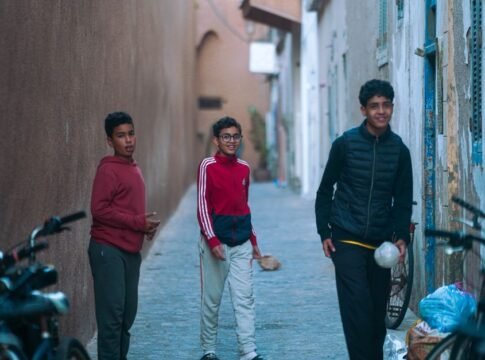
Moroccan voters are heading to the polls for a pivotal parliamentary election, with widespread frustration among the nation’s youth casting a significant shadow over the political landscape. Despite a growing economy and ambitious development projects, including preparations to co-host the 2030 FIFA World Cup, a substantial portion of young Moroccans feel alienated, citing a lack of job opportunities, inadequate public services, and unfulfilled political promises.
Information available with The Chenab Times indicates that youth unemployment remains a critical concern, with figures from 2025 showing a rate of 37%. An estimated 2.9 million Moroccans between the ages of 15 and 29 are not engaged in education, employment, or training. This economic precarity has fueled a sense of despair, leading many young citizens to question the efficacy of traditional politics and the electoral process. Their disaffection has manifested in street protests, including the deadly Gen Z-led demonstrations of the previous year, and a surge in attempts to migrate to Europe, most notably the mass border crossing into the Spanish enclave of Ceuta in July.
Political parties are vying for the attention of these disillusioned young voters by promising jobs, affordable housing, and improvements in essential services like healthcare and education. Parties such as the National Rally of Independents (RNI) and the Authenticity and Modernity Party (PAM) have placed youth employment at the forefront of their campaigns, pledging to create approximately one million jobs over the next parliamentary term. They are also highlighting significant infrastructure investments planned for the 2030 World Cup, a project described by some as the “World Cup government.” Rallies are being streamed on social media platforms in an effort to engage a demographic that has shown increasing skepticism towards conventional political discourse.
However, many young Moroccans remain unconvinced. A significant number feel that elections offer little in the way of genuine change, pointing to a perceived lack of ideological distinction between parties and a history of unmet promises. Voter registration figures reveal a declining trend, with a notable decrease in the number of registered voters compared to previous elections, even as the population grows. Those aged 18 to 24 constitute a small percentage of registered voters, reflecting a broader disengagement from formal political participation. While some younger candidates are attempting to connect with their peers by emphasizing the need for active political engagement, others express a deep-seated cynicism.
The Moroccan economy has seen considerable growth, with investments pouring into sectors such as ports, phosphates, green energy, and rail infrastructure. The nation’s “New Development Model” aims to double the per capita GDP by 2035. Yet, this economic progress has not consistently translated into widespread popular satisfaction or sufficient job creation, particularly for the youth. This disconnect between national economic performance and citizens’ perceptions is a central theme in the current electoral cycle. The government’s focus on large-scale projects, such as the World Cup, has been met with a mixed reception, with some questioning whether these initiatives adequately address the immediate concerns of everyday citizens.
The recent surge in migration attempts, including the perilous journeys to Ceuta, underscores the depth of frustration. These events have been described as a new form of social protest, reflecting a desire for a better future that many feel is unattainable within Morocco. Reports indicate that the Moroccan authorities’ handling of these migration events has drawn scrutiny, with some analysts suggesting potential complicity. The tragic loss of life during these crossings highlights the desperation driving young Moroccans to seek opportunities abroad.
The election is taking place under a constitutional framework where the king appoints the head of government from the party that wins the most seats. Given the likelihood of a coalition government, the negotiation process will be crucial. The monarchy retains significant authority over strategic affairs, including key ministries such as foreign affairs and defense, positioning the elected parliament to address more immediate domestic issues and everyday concerns. The political parties face the challenge of demonstrating that they can effectively represent the interests of young people and implement policies that lead to tangible improvements in their lives. Failure to do so risks further alienating a generation that is increasingly seeking alternative avenues for expressing its discontent and aspirations.
The outcome of this election will be closely watched as an indicator of whether traditional political institutions can regain the trust of a significant segment of the Moroccan population. The ongoing issues of youth unemployment, economic inequality, and access to quality public services remain central to the nation’s development and stability. The results are expected to shape the government’s approach to addressing these pressing challenges in the coming years.
❤️ Support Independent Journalism
Your contribution keeps our reporting free, fearless, and accessible to everyone.
Or make a one-time donation
Secure via Razorpay • 12 monthly payments • Cancel anytime before next cycle


(We don't allow anyone to copy content. For Copyright or Use of Content related questions, visit here.)
Global Affairs Desk at The Chenab Times covers international developments, global diplomacy, and foreign policy issues through fact-based reporting, explainers, and analytical pieces. The desk focuses on major geopolitical events, diplomatic engagements, and international trends, with an emphasis on verified information, multiple perspectives, and contextual understanding of global affairs.