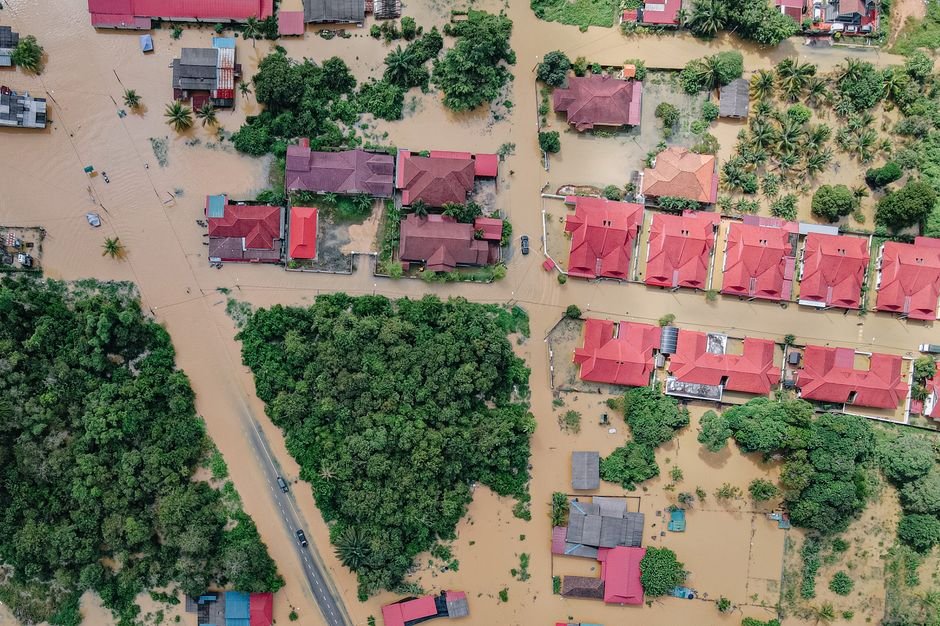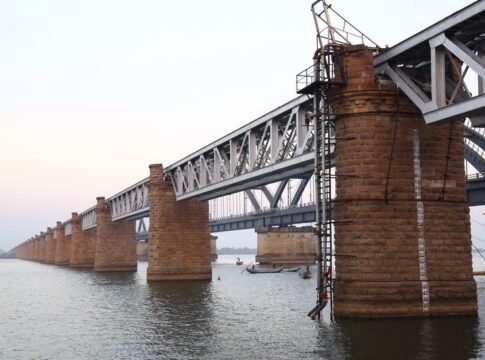
Seventeen tribal habitations in Andhra Pradesh’s Polavaram region have been submerged as the Godavari River’s water levels approach the first flood warning mark. Authorities are working to manage the gates of the Sir Arthur Cotton Barrage to contain the rising waters.
According to details received by The Chenab Times, the Sir Arthur Cotton Barrage registered an inflow of 9.66 lakh cusecs on Monday morning, inching closer to the 10-lakh cusec mark that signifies the first flood warning. The swift rise in water levels has necessitated emergency measures, with officials actively managing the barrage gates to prevent a more severe inundation downstream.
The rising waters of the Godavari have inundated 17 tribal settlements located in the vicinity of the Polavaram project area. These habitations, typically inhabited by indigenous communities, are now under several feet of water, forcing residents to evacuate their homes and seek higher ground. The inundation is a direct consequence of the heavy monsoon activity and the subsequent increase in the river’s discharge.
Water resources department officials are reportedly engaged in a delicate operation at the Polavaram project’s gates. Their primary objective is to regulate the flow of water, ensuring that the levels upstream of the barrage do not exceed critical thresholds while simultaneously attempting to mitigate the impact of the floodwaters on downstream areas and the already submerged habitations. The coordination between water management and disaster response teams is crucial at this juncture.
In anticipation of further rises, 171 villages situated in low-lying areas and along the riverbanks have been placed on high alert. Local administrations are actively disseminating warnings and coordinating evacuation plans for these vulnerable communities. Relief camps are being prepared, and essential supplies are being mobilized to support those who may be displaced by the escalating flood situation. The district authorities are monitoring the situation closely, with continuous updates being provided by meteorological agencies and the irrigation department.
The Polavaram Irrigation Project, a multipurpose project on the Godavari River, is designed to provide irrigation and power generation. However, its proximity to the river makes the surrounding areas particularly susceptible to flooding during periods of heavy rainfall and increased river discharge, especially when monsoon patterns intensify. The current situation highlights the ongoing challenges of balancing large-scale infrastructure projects with the need to protect local populations and their livelihoods from natural disasters.
The Indian Meteorological Department (IMD) has forecast continued heavy rainfall in the upper catchment areas of the Godavari River, suggesting that the water levels may continue to rise in the coming days. This forecast has heightened concerns among officials and residents alike, underscoring the need for sustained vigilance and preparedness. The state disaster response force has been put on standby, ready to be deployed to any area requiring immediate assistance.
The submergence of tribal habitations is a recurring concern during the monsoon season in regions affected by major river projects. These communities often reside in areas that are more prone to flooding and may have limited resources to cope with sudden displacement. Efforts are underway to ensure the safe relocation of affected families to temporary shelters and to provide them with necessary relief, including food, water, and medical aid. The long-term rehabilitation of these communities remains a significant challenge that requires comprehensive planning and execution.
Officials are urging residents in the flood-prone areas to remain cautious, avoid unnecessary travel, and heed all warnings issued by the authorities. The focus remains on ensuring the safety and well-being of the population while managing the immediate crisis caused by the rising Godavari waters. The situation at the Sir Arthur Cotton Barrage and the Polavaram project area is under constant surveillance, with round-the-clock monitoring of the river levels and the functioning of the water management infrastructure.
The current water flow at the Sir Arthur Cotton Barrage signifies a critical point where flood control measures become paramount. The management of the barrage gates is a complex task that requires precise calibration to balance downstream water availability with flood mitigation. The approaching flood warning indicates that the river is carrying a substantial volume of water, posing a significant risk to the low-lying areas along its course.
The inundation of tribal habitations serves as a stark reminder of the vulnerability of indigenous populations to environmental changes and large-scale development projects. Local government bodies and non-governmental organizations are coordinating relief efforts, but the scale of the displacement underscores the need for robust disaster management strategies that are sensitive to the specific needs of tribal communities. Access to these submerged habitations for relief operations is also a logistical challenge, with boats being the primary mode of transport for aid distribution.
❤️ Support Independent Journalism
Your contribution keeps our reporting free, fearless, and accessible to everyone.
Or make a one-time donation
Secure via Razorpay • 12 monthly payments • Cancel anytime before next cycle


(We don't allow anyone to copy content. For Copyright or Use of Content related questions, visit here.)

The Chenab Times News Desk